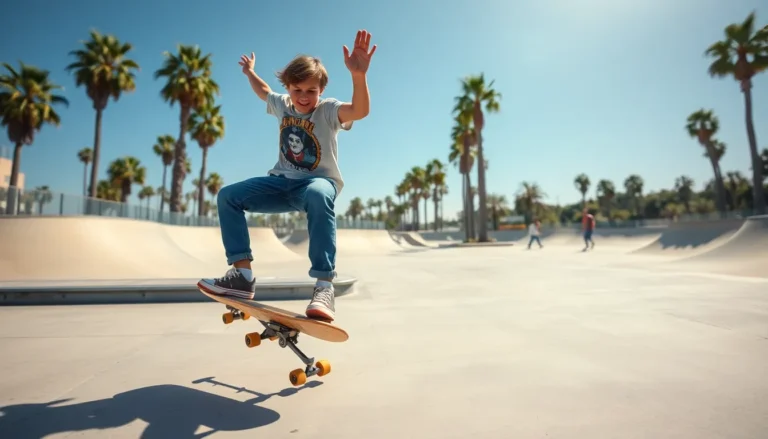
Top skateboarding demands a mix of balance, commitment, and consistent practice. Whether someone picks up a board for the first time or aims to land more advanced tricks, the fundamentals stay the same. This guide breaks down what it takes to improve at skateboarding, from basic stance and pushing to gear selection and skill progression. Skaters at every level can find value here. The sport rewards patience and persistence, so understanding the core principles makes a real difference. Let’s get into it.
Table of Contents
ToggleKey Takeaways
- Top skateboarding builds on solid fundamentals like proper stance, pushing, balance, and stopping techniques.
- Essential skills such as tic-tacs, manuals, and kickturns create the muscle memory needed for advanced tricks.
- The ollie is the foundation of street skateboarding and a prerequisite for flip tricks and grinds.
- Choose a deck width between 8.0–8.25 inches as a beginner for a balance of stability and control.
- Consistent daily practice produces better results than occasional long sessions for skateboarding progression.
- Film yourself skating to identify timing issues and body positioning problems you can’t see in the moment.
Understanding the Basics of Skateboarding
Every skater starts with the basics. Learning how to stand on a skateboard correctly sets the foundation for everything else. There are two main stances: regular (left foot forward) and goofy (right foot forward). Neither is better than the other, it simply depends on what feels natural.
Pushing comes next. The front foot stays on the board while the back foot pushes against the ground. This motion should feel smooth, not jerky. New skaters often wobble at first, but muscle memory develops quickly with practice.
Balance is the single most important skill in top skateboarding. Riders should spend time just rolling around, getting comfortable with how the board moves. Shifting weight from heel to toe controls turning. Leaning too far in either direction causes a fall, so finding that sweet spot takes repetition.
Stopping matters just as much as moving. The foot drag is the simplest method, the back foot lightly touches the ground to slow down. More advanced skaters use the tail stop, where pressure on the tail creates friction. Both work, but beginners should master the foot drag first.
Understanding these basics prevents bad habits from forming. Top skateboarding builds on solid fundamentals, so rushing past them only creates problems later.
Essential Skills Every Skater Should Learn
Once the basics feel comfortable, skaters should focus on essential skills that open up trick possibilities.
Tic-Tacs
Tic-tacs involve shifting the board’s nose left and right while moving forward. This skill builds balance and board control. Skaters use tic-tacs to gain speed without pushing and to maneuver in tight spaces.
Manual
A manual is essentially a wheelie on a skateboard. The rider balances on the back two wheels while rolling. This trick requires precise weight distribution and strengthens core stability. Top skateboarding progression often includes manual practice because it transfers directly to other tricks.
Kickturns
Kickturns teach skaters how to pivot on the back wheels. They’re useful for changing direction quickly and are a prerequisite for ramp skating. Start on flat ground before attempting kickturns on transitions.
Rolling Off Curbs
This skill builds confidence for drops and gaps. Skaters approach a curb at moderate speed and lift the front wheels slightly before the edge. The back wheels follow naturally. It sounds simple, but committing to roll off an obstacle takes mental adjustment.
These skills don’t look flashy, but they create the muscle memory needed for top skateboarding tricks. Skipping them leads to frustration when attempting more difficult maneuvers.
Top Skateboarding Tricks for Beginners and Intermediates
Tricks define skateboarding culture. Here are some key tricks organized by difficulty.
Beginner Tricks
Ollie – The ollie is the foundation of street skateboarding. The skater pops the tail, slides the front foot up, and levels the board in the air. Every flip trick and most grinds start with an ollie. Mastering this trick takes weeks or months, depending on practice frequency.
Shuvit – The board spins 180 degrees beneath the rider’s feet without flipping. The back foot scoops the tail while the front foot stays light. Shuvits teach board rotation control.
Pop Shuvit – This combines the ollie pop with a shuvit rotation. The added height makes it look cleaner and prepares skaters for more advanced variations.
Intermediate Tricks
Kickflip – The kickflip adds a flip to the ollie. The front foot flicks off the edge of the board, causing it to rotate. This trick frustrates many skaters because timing must be precise.
Heelflip – Similar to a kickflip, but the board flips in the opposite direction. The heel pushes outward instead of the toes flicking. Some skaters find heelflips easier than kickflips.
50-50 Grind – Both trucks grind along a rail or ledge. Skaters ollie onto the obstacle and balance until they pop off. This is the entry point for grind tricks.
Top skateboarding requires patience with these tricks. Landing them once doesn’t mean mastery, consistency matters more than occasional success.
Choosing the Right Skateboard and Gear
Equipment affects performance. Here’s what skaters should consider.
Deck Size
Deck widths typically range from 7.5 to 8.5 inches. Smaller decks (7.5–7.75) flip faster and suit technical street skating. Larger decks (8.25–8.5) offer more stability for transition and vert skating. Most beginners do well with something in the 8.0–8.25 range.
Trucks
Trucks should match the deck width. Loose trucks turn easier but feel less stable. Tight trucks provide more control at higher speeds. Adjust them based on personal preference.
Wheels
Wheel hardness is measured in durometer. Softer wheels (78A–87A) grip better and handle rough surfaces. Harder wheels (99A–101A) slide easier and work best on smooth concrete. Street skaters generally prefer harder wheels.
Bearings
Bearings determine how freely wheels spin. ABEC ratings measure precision, but many quality skateboard bearings don’t use this system. Brands like Bones and Bronson make reliable options at various price points.
Safety Gear
Helmets prevent serious head injuries. Knee pads and wrist guards reduce the severity of common falls. Top skateboarding involves falling, protective gear extends skating careers and reduces recovery time.
Quality gear doesn’t need to be expensive. Many local skate shops offer complete setups at reasonable prices, and staff can provide recommendations based on skating style.
Tips for Advancing Your Skateboarding Abilities
Progress in top skateboarding comes from intentional practice. Here are strategies that work.
Skate regularly. Consistency beats intensity. Thirty minutes daily produces better results than four-hour sessions once a week. Muscle memory develops through repetition over time.
Film yourself. Video reveals mistakes that aren’t obvious in the moment. Watch footage to identify timing issues, body positioning problems, and areas for improvement.
Skate with better skaters. Watching skilled riders in person provides motivation and insight. Most skaters are willing to share tips if asked respectfully.
Practice switch. Skating switch (opposite stance) feels awkward but builds overall board control. It also doubles the trick possibilities once it becomes comfortable.
Set specific goals. “Get better at skateboarding” is too vague. “Land five kickflips in a row” gives clear direction. Small, measurable goals create momentum.
Don’t avoid weaknesses. Skaters often practice what they’re already good at. Spending time on weaker areas produces faster overall improvement.
Rest and recover. Skateboarding is physically demanding. Overtraining leads to injury and burnout. Take days off when the body needs them.
Top skateboarding rewards those who put in consistent work. There are no shortcuts, but smart practice accelerates progress.