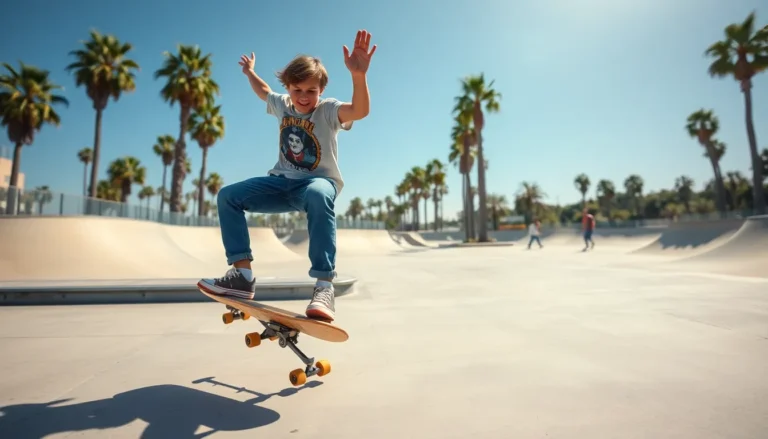
Skateboarding vs other action sports, it’s a debate that sparks strong opinions in skate parks and online forums alike. Each sport offers its own thrills, learning curves, and cultural identity. But how does skateboarding stack up against rollerblading, BMX, surfing, and scootering?
This guide breaks down the key differences between skateboarding and its closest competitors. Whether someone is picking their first board or considering a switch, understanding these comparisons helps make the right choice. From trick difficulty to equipment costs, every factor matters when choosing an action sport.
Table of Contents
ToggleKey Takeaways
- Skateboarding vs rollerblading, BMX, surfing, and scootering each offers unique advantages, but skateboarding stands out for its trick variety and cultural presence.
- Skateboarding is the most affordable action sport to start, with quality setups costing $100–$200 compared to $300–$600 for BMX or $400+ for surfing.
- Portability gives skateboarding a major edge—boards fit in backpacks and work anywhere with pavement, making it ideal for urban life.
- While scooters and rollerblades are easier to learn initially, skateboarding offers deeper trick progression and retains participants well into their 40s and beyond.
- Skateboarding shares skill transfer benefits with surfing, as balance and board control techniques overlap between both sports.
- For those seeking accessibility, lifelong appeal, and strong community culture, skateboarding offers the best overall combination among action sports.
Skateboarding vs Rollerblading
Skateboarding vs rollerblading represents one of the oldest rivalries in action sports. Both emerged from similar street culture roots, yet they offer distinct experiences.
Equipment and Setup
Skateboards use four wheels mounted on two trucks beneath a wooden deck. Rollerblades (inline skates) attach directly to boots with wheels arranged in a single line. This fundamental difference affects everything from balance to trick execution.
A quality skateboard setup costs between $100 and $200. Decent rollerblades fall in the same price range. Maintenance costs stay comparable, wheels, bearings, and deck replacements add up over time for both sports.
Learning Curve
Most beginners find rollerblading easier to pick up initially. The attached boots provide stability, and forward motion feels natural. Skateboarding demands more balance work from day one. Riders must learn to stay centered on a moving platform that isn’t strapped to their feet.
But, advanced skateboarding tricks often prove more accessible than their rollerblading equivalents. Kickflips and ollies become second nature with practice. Comparable inline tricks require exceptional body control.
Trick Variety
Skateboarding offers a broader trick vocabulary. Flip tricks, grinds, slides, and aerial maneuvers create endless combinations. Rollerblading focuses more on grinds, jumps, and spins. Both sports reward creativity, but skateboarding’s trick ceiling sits higher.
Cultural Presence
Skateboarding dominates mainstream culture. It entered the Olympics in 2021 and enjoys widespread media coverage. Rollerblading maintains a dedicated community but lacks the same visibility. For those seeking cultural relevance, skateboarding wins this round.
Skateboarding vs BMX
Skateboarding vs BMX brings two heavyweights of action sports together. Both appear in the X Games and Olympics, and both command serious respect in street and park settings.
Speed and Coverage
BMX riders cover more ground faster. A bike’s momentum carries riders across larger gaps and up bigger ramps. Skateboarding keeps things smaller and more technical. This difference shapes where each sport thrives, BMX excels on mega ramps while skateboarding shines on ledges and flat ground.
Physical Demands
Both sports punish the body, but differently. BMX crashes often cause more severe injuries due to higher speeds and the bike itself becoming a hazard. Skateboarding leads to more frequent but typically less serious falls. Ankle injuries plague skateboarders: wrist and collarbone injuries hit BMX riders harder.
Cost Comparison
A complete BMX bike costs $300 to $600 for entry-level quality. Skateboarding remains more affordable at $100 to $200 for a solid setup. Replacement parts also cost less for skateboards. Budget-conscious athletes often choose skateboarding for this reason.
Portability
Skateboarding wins on convenience. A skateboard fits in a backpack, slides under a desk, or rides along on public transit. BMX bikes need storage space, bike racks, and can’t enter many buildings. This portability makes skateboarding more practical for urban life.
Skateboarding vs Surfing
Skateboarding vs surfing shares a family connection. Skateboards were invented by surfers who wanted to “sidewalk surf” when waves weren’t cooperating. Even though this shared DNA, the two sports differ significantly.
Environment and Access
Surfing requires an ocean, waves, and ideally warm water. These conditions limit where and when people can surf. Skateboarding happens anywhere with pavement, driveways, parking lots, skate parks, and city streets. This accessibility gives skateboarding a massive advantage for most people.
Equipment Costs
Surfboards range from $400 to over $1,000 for quality boards. Add wetsuits, leashes, and wax, and surfing becomes expensive. Skateboarding’s $100-$200 entry point makes it far more accessible. Geographic location also affects costs, living near good surf spots often means higher rent.
Skill Transfer
Skaters who try surfing find their balance and board control translate well. The stance, weight shifting, and turning mechanics share common principles. Many professional surfers skateboard during flat spells to maintain their skills. The reverse also applies, surfers often pick up skateboarding quickly.
Lifestyle Differences
Surfing culture emphasizes nature, patience, and early mornings. Skateboarding culture leans urban, creative, and nocturnal. Neither is better, they simply attract different personalities. Some athletes embrace both lifestyles, switching between ocean and concrete as conditions allow.
Skateboarding vs Scootering
Skateboarding vs scootering generates the most heated debates in skate parks. The rivalry runs deep, though both sports share similar terrain.
Ease of Entry
Scooters offer the lowest barrier to entry among action sports. The handlebar provides stability, and basic riding requires minimal instruction. Kids as young as four or five can cruise confidently on scooters. Skateboarding takes weeks or months before beginners feel comfortable.
Trick Progression
Scooter tricks developed rapidly over the past decade. Tailwhips, bar spins, and backflips now define competitive scootering. But, skateboarding’s trick library remains deeper and more varied. A professional skateboarder’s trick bag dwarfs what most scooter riders perform.
Skate Park Dynamics
Tension exists between skateboarders and scooter riders at many parks. Scooters move unpredictably, and younger riders often lack park etiquette. This creates frustration for experienced skateboarders. Dedicated scooter parks remain rare, forcing both groups to share space.
Long-Term Appeal
Skateboarding retains participants longer. Many skateboarders ride into their 40s, 50s, and beyond. Scootering trends younger, with fewer adult practitioners. For those seeking a lifelong activity, skateboarding offers better staying power.
Which Sport Is Right for You
Choosing between skateboarding and other action sports depends on individual priorities. Here’s a quick breakdown:
Choose skateboarding if:
- Budget matters, it’s affordable to start and maintain
- Urban environments dominate daily life
- Trick variety and progression appeal strongly
- Cultural connection and community matter
- Portability is essential
Choose rollerblading if:
- Faster initial progress sounds appealing
- Grinding and speed skating interest you
- A tighter-knit community feels comfortable
Choose BMX if:
- Big air and speed excite you
- Higher budgets aren’t a concern
- Access to large parks or dirt tracks exists
Choose surfing if:
- Ocean access is readily available
- Nature and outdoor immersion matter
- A meditative, patience-focused activity appeals
Choose scootering if:
- Quick learning curves are priorities
- Younger riders need an entry point
- Handlebar stability provides necessary confidence
Skateboarding offers the best combination of accessibility, trick depth, cultural significance, and lifelong appeal. It’s not the easiest sport to learn, but its rewards justify the effort.