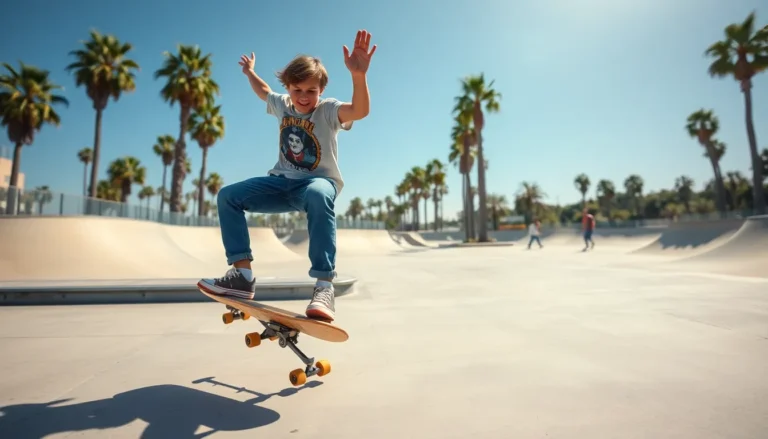
Skateboarding tips can turn a frustrating first session into the start of a lifelong passion. Whether someone just picked up their first board or they’re looking to level up their skills, the right guidance makes all the difference. Skateboarding rewards patience, practice, and a willingness to fall, then get back up. This guide covers everything from picking the right setup to landing first tricks safely. New skaters will find practical advice they can use at the park today.
Table of Contents
ToggleKey Takeaways
- Choose a deck width between 7.75 and 8.25 inches and pair it with flat-soled skate shoes for better board control.
- Master pushing, stopping, and balance on flat ground before attempting tricks or hills.
- Practice standing and shifting weight on grass or carpet first to build core stability without rolling.
- The ollie is skateboarding’s most essential trick—expect weeks of practice before landing it cleanly.
- Wear a helmet and wrist guards as a beginner to reduce fear and prevent common injuries.
- Follow skateboarding tips that emphasize patience: progressing gradually protects your body and speeds up long-term improvement.
Choosing the Right Skateboard Setup
A good skateboard setup sets the foundation for learning. Beginners often grab the first complete board they see, but spending a few extra minutes on selection pays off.
Deck Size Matters
Deck width should match the rider’s shoe size and skating style. Most beginners do well with a deck between 7.75 and 8.25 inches wide. Smaller decks feel lighter and flip easier. Wider decks offer more stability for learning balance.
Trucks and Wheels
Trucks should match the deck width closely. Too narrow, and the board feels unstable. Too wide, and it catches on the ground during turns. For wheels, softer wheels (78A-87A) roll smoothly over rough surfaces. Harder wheels (99A-101A) work better for tricks on smooth concrete.
Complete vs. Custom
Pre-built complete skateboards work fine for most beginners. They cost less and come ready to ride. As skills improve, riders can upgrade individual parts. Many skateboarding tips suggest starting with a quality complete rather than a cheap department store board that falls apart quickly.
Shoe Selection
Flat-soled skate shoes grip the board better than running shoes or sneakers with curved soles. Canvas or suede uppers last longer against grip tape friction. Good shoes prevent blisters and improve board control from day one.
Mastering the Fundamentals
Every pro skater built their career on solid fundamentals. These skateboarding tips focus on the basics that make everything else possible.
Stance and Balance Basics
Skaters ride in one of two stances: regular (left foot forward) or goofy (right foot forward). Neither stance is better, it’s about what feels natural. A simple test helps determine stance: have someone give a gentle push from behind. Whichever foot steps forward first is usually the front foot.
Once stance is set, practice standing on the board without moving. Place the front foot over the front truck bolts and the back foot on the tail. Bend the knees slightly and keep weight centered. This position becomes muscle memory with practice.
Balance improves fastest on grass or carpet first. The board won’t roll, so new skaters can focus purely on feeling comfortable. Shift weight front to back, side to side. Try small squats. These simple exercises build the core stability skateboarding demands.
Pushing and Stopping Techniques
Pushing looks simple but takes practice to do smoothly. The front foot points forward along the board while the back foot pushes against the ground. After each push, the back foot returns to the tail. Beginners often push with their front foot (called “mongo”), but most skateboarding tips recommend against this habit, it makes tricks harder later.
Stopping comes in several forms. The foot brake works best for beginners: simply drag the back foot lightly on the ground. The tail scrape stops faster but wears down the tail quickly. Power slides look cool but require more advanced skills.
Speed control matters more than stopping. New skaters should practice on flat ground or gentle slopes until pushing and stopping feel automatic. Trying hills too early leads to speed wobbles and crashes.
Learning Your First Tricks
After pushing and stopping feel comfortable, it’s time for tricks. These skateboarding tips start with the easiest moves and build toward the famous ollie.
Tic-Tacs
Tic-tacs teach weight shifting and board control. Press lightly on the tail to lift the nose, then pivot the board left or right before setting it down. Repeat quickly, alternating directions. This motion propels the board forward without pushing. It also builds the tail pressure sense needed for ollies.
Manuals
A manual is riding on two wheels, either the back two (regular manual) or front two (nose manual). Start with short distances. The goal is finding the balance point where the board stays level without the tail or nose touching ground. Manuals develop the fine balance adjustments that apply to nearly every trick.
The Ollie
The ollie is skateboarding’s most important trick. It’s how skaters jump with their board. The motion combines several steps: crouch down, pop the tail against the ground, slide the front foot up toward the nose, and level the board in the air.
Most beginners take weeks or months to land a clean ollie. That’s normal. Practice the motion while standing still first. Then try it moving slowly. Height comes with time and repetition. Hundreds of skateboarding tips exist for the ollie because it’s both essential and tricky to master.
Shuvits
Once ollies click, shuvits add rotation. A pop shuvit spins the board 180 degrees under the skater’s feet while they stay facing forward. The back foot scoops backward as the front foot lifts. The board spins, and both feet catch it. Shuvits feel awkward at first but become smooth with practice.
Staying Safe While Skating
Skateboarding carries real injury risk. Smart skaters reduce that risk without killing the fun.
Protective Gear
Helmets prevent the worst injuries. A certified skate helmet fits snugly and sits level on the head. Wrist guards protect against the most common skateboarding injury, the instinct to catch a fall with outstretched hands. Knee and elbow pads let skaters try tricks more aggressively since falls hurt less.
Many experienced skaters skip pads once they’ve learned to fall properly. But beginners should gear up. There’s no shame in protection, and it speeds up learning by reducing fear.
Learning to Fall
Falling is part of skateboarding. The goal is falling safely. When balance goes, skaters should try to roll rather than catch themselves with stiff arms. Tucking the chin protects the head. Going limp absorbs impact better than tensing up.
Practice falls on grass before they happen on concrete. It sounds silly, but controlled falling practice prevents injuries.
Skate Within Skill Level
The biggest safety tip is honest self-assessment. That massive stair set can wait. Steep hills should wait until stopping is second nature. Crowded skateparks require awareness of other skaters’ lines.
Progression happens naturally with consistent practice. Rushing leads to injuries that set progress back weeks or months. The best skateboarding tips all circle back to this: patience protects both the body and long-term progress.