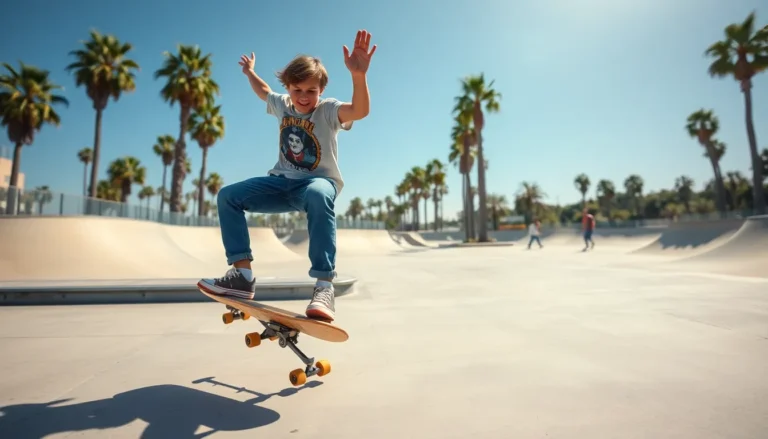
Skateboarding techniques form the foundation of every successful skater’s journey. Whether someone just picked up their first board or wants to land cleaner tricks, understanding proper technique makes all the difference. The sport demands a mix of balance, coordination, and patience, and yes, a willingness to fall (a lot). This guide breaks down the essential skateboarding techniques that every rider needs to master, from finding a comfortable stance to executing that first ollie. Skaters at any level will find practical advice here to sharpen their skills and build confidence on the board.
Table of Contents
ToggleKey Takeaways
- Determine your natural stance (regular or goofy) first, as it forms the foundation for all skateboarding techniques.
- Master balance by practicing on a stationary board before adding movement—this prevents struggles with advanced tricks later.
- The ollie is the gateway skateboarding technique that unlocks flip tricks, grinds, and gaps, so prioritize learning it well.
- Use proper pushing form by keeping your eyes forward and pushing from the ball of your foot for better speed and stability.
- Wear protective gear and learn to fall correctly by rolling with impacts to prevent injuries and extend your skating journey.
- Progress in small steps—master one technique before moving to the next, and film yourself to identify form issues.
Finding Your Stance and Balance
Every skater’s journey starts with one question: regular or goofy? These terms describe which foot goes in front. Regular stance means the left foot leads, while goofy puts the right foot forward. Neither is better, it’s about what feels natural.
A simple test helps determine stance. Stand with feet together and have someone give a light push from behind. The foot that steps forward first is usually the front foot. Another method involves sliding across a smooth floor in socks. The leading foot typically indicates the preferred stance.
Once stance is sorted, balance becomes the priority. New skaters should spend time just standing on the board on grass or carpet. This removes the rolling variable and lets them get comfortable with the board’s feel underfoot. Feet should sit roughly shoulder-width apart, with knees slightly bent.
Balance on a skateboard requires constant micro-adjustments. The ankles, knees, and hips all work together to keep the body centered over the board. Skaters who rush past this phase often struggle later with more advanced skateboarding techniques. Even five minutes of daily practice standing and shifting weight pays dividends.
Core strength matters too. A strong core helps skaters recover from wobbles and stay stable during tricks. Simple exercises like planks and single-leg stands complement time on the board.
Mastering the Basics: Pushing, Turning, and Stopping
Pushing is how skaters build speed. The back foot comes off the board and pushes against the ground while the front foot stays planted. Beginners often make the mistake of looking down, this throws off balance. Keep eyes forward and let the body find its rhythm.
Smooth pushes come from the ball of the foot, not the heel. Short, controlled pushes work better than long, sweeping ones at first. As comfort grows, skaters can extend their push and generate more speed. The front foot should point slightly forward, around 45 degrees, during pushing.
Turning involves shifting weight toward the toes or heels. Leaning on the toes creates a frontside turn, while heels initiate a backside turn. Looser trucks make turning easier but reduce stability at higher speeds. New skaters should keep trucks moderately tight until their balance improves.
Kick turns offer sharper direction changes. The skater lifts the front wheels by pressing on the tail, then pivots the board in the desired direction. This skateboarding technique becomes essential for ramps and transitions later on.
Stopping keeps skaters safe. The foot brake is the simplest method, the back foot drags along the ground to slow momentum. It wears down shoes but works reliably. The tail scrape uses the board’s tail against the ground, though this damages the deck over time.
Powerslides look cooler and stop faster. The skater shifts weight to the front foot and swings the back wheels sideways, creating friction. This skateboarding technique takes practice but becomes second nature with repetition.
Learning Your First Tricks
The Ollie
The ollie is the gateway trick. It allows skaters to jump with the board attached to their feet, opening doors to countless other skateboarding techniques. Every flip trick, grind, and gap starts with a solid ollie.
Here’s the breakdown: the back foot sits on the tail, and the front foot rests in the middle of the board. In one motion, the skater snaps the tail down hard while jumping. As the tail hits the ground, the front foot slides upward toward the nose. This dragging motion levels the board in the air.
Timing separates good ollies from sloppy ones. The snap and slide must happen almost simultaneously. Many beginners snap too early or forget to slide the front foot. Practice stationary first, then add rolling speed.
Height comes with repetition. New skaters shouldn’t expect huge ollies right away. Start by clearing a crack in the sidewalk, then work up to small obstacles. Commitment matters, half-hearted attempts rarely succeed.
Kickflips and Heelflips
Kickflips and heelflips build directly on the ollie. Both involve flipping the board along its length while airborne. The difference lies in which direction the board spins.
For a kickflip, the front foot sits at an angle near the middle of the board, toes hanging slightly off the edge. During the ollie motion, the front foot flicks off the heel-side corner of the nose. This sends the board into a flip. The skater watches the grip tape rotate and catches the board with both feet.
Heelflips work similarly but in reverse. The front foot hangs off the toe side, and the flick goes outward with the heel. Some skaters find heelflips more natural than kickflips, it depends on individual body mechanics.
These skateboarding techniques require hundreds of attempts before landing cleanly. Frustration is normal. Break down each component: the pop, the flick, the catch, and the landing. Master each piece separately before combining them.
Tips for Progressing Safely
Protective gear prevents injuries and extends skating careers. Helmets protect against serious head trauma. Knee pads and elbow pads reduce scrapes and bruises from falls. Wrist guards help too, since most people instinctively catch themselves with their hands.
Learning to fall properly matters as much as learning skateboarding techniques. Rolling with a fall distributes impact across the body. Skaters should avoid stiff arms, they break more easily than relaxed ones. Slide-outs hurt less than sudden stops.
Progression happens in small steps. Skaters who try tricks far beyond their skill level get hurt and lose motivation. Master one skateboarding technique before moving to the next. Confidence builds through small wins.
Warm-up exercises prevent muscle strains. Light stretching, ankle rotations, and a few minutes of easy pushing prepare the body for harder work. Cold muscles respond poorly to sudden demands.
Skate spots matter for practice. Smooth concrete makes learning easier than rough asphalt. Empty parking lots offer space without traffic. Skateparks provide purpose-built features, though crowds can intimidate beginners.
Watching tutorial videos helps, but nothing replaces time on the board. Skaters should film themselves to spot form issues they can’t feel. Comparing footage to professionals reveals differences in technique.
Patience drives long-term success. Some skateboarding techniques click quickly: others take months. The skaters who stick with it, even though falls, frustration, and slow progress, eventually land the tricks they once thought impossible.