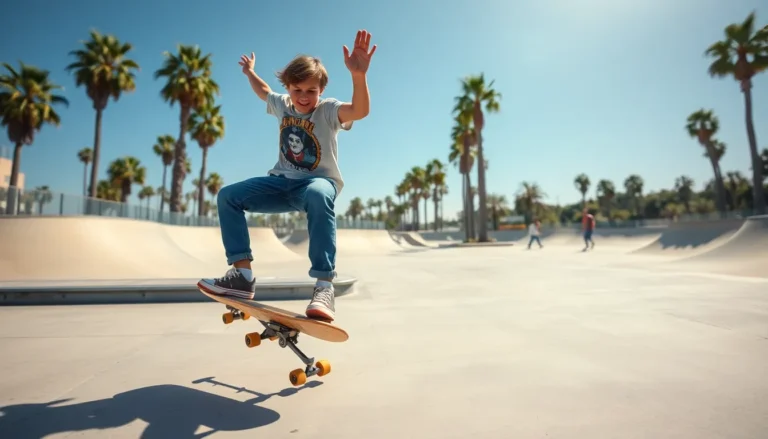
This skateboarding guide covers everything beginners need to know before hitting the pavement. Skateboarding has grown from a California pastime into a global sport with millions of participants. Learning to skate takes patience, the right equipment, and a willingness to fall, a lot. But the payoff is worth it. Few activities offer the same mix of freedom, creativity, and physical challenge. This guide breaks down the essentials: picking your first board, getting proper safety gear, learning fundamental skills, and finding good spots to practice. Whether someone wants to cruise around the neighborhood or eventually land their first kickflip, it all starts here.
Table of Contents
ToggleKey Takeaways
- Start with a quality complete skateboard ($80–$150) rather than cheap department store boards that make learning harder.
- Always wear certified safety gear—helmets, knee pads, elbow pads, and wrist guards prevent serious injuries from inevitable falls.
- Find your natural stance (regular or goofy) first, then master pushing, turning, and stopping before attempting tricks.
- Practice in smooth, flat areas like empty parking lots before progressing to skateparks.
- The ollie is the foundation of most skateboard tricks—expect weeks of practice to learn it properly.
- Avoid skating in wet conditions, as water destroys bearings and eliminates grip on wheels.
Choosing Your First Skateboard
The first step in any skateboarding guide involves selecting the right board. Beginners often feel overwhelmed by the options, but the decision comes down to a few key factors.
Complete vs. Custom Builds
New skaters should start with a complete skateboard. These come pre-assembled and ready to ride. Custom builds offer more control over components, but they require knowledge most beginners don’t have yet. A quality complete skateboard costs between $80 and $150. Avoid cheap department store boards, they use poor materials that make learning harder and can break easily.
Deck Size Matters
Skateboard decks range from 7.5 to 8.5 inches wide. Deck width should match shoe size and skating style. Beginners with shoe sizes 8 or smaller typically prefer 7.75 to 8-inch decks. Those with larger feet often feel more stable on 8.25-inch or wider boards. Street skating favors narrower decks for flip tricks. Wider decks work better for ramps and cruising.
Trucks, Wheels, and Bearings
Trucks connect the wheels to the deck. They should match deck width, a 7.75-inch deck needs 7.75-inch trucks. Wheels come in different sizes and hardness ratings. Softer wheels (78A-87A) absorb bumps and work well on rough surfaces. Harder wheels (99A-101A) slide easier and suit smooth skatepark concrete. For general use, 54mm wheels around 99A offer a good balance. Bearings determine how freely wheels spin. ABEC-5 or ABEC-7 rated bearings provide solid performance for beginners without very costly.
Essential Safety Gear You Need
Every skateboarding guide worth reading emphasizes safety gear. Skateboarding involves falling. That’s not pessimism, it’s physics. The right protective equipment turns potential injuries into minor inconveniences.
Helmets Are Non-Negotiable
A certified skateboard helmet protects against head injuries. Look for helmets with CPSC or ASTM certification. Bike helmets don’t offer the same protection because they’re designed for single impacts. Skateboard helmets handle multiple hits. The helmet should sit level on the head, covering the forehead without tilting back. It needs to feel snug but comfortable.
Pads Protect Key Areas
Knee pads absorb impact during falls. They should fit tightly without cutting off circulation. Elbow pads matter almost as much, arms instinctively reach out during falls. Wrist guards prevent sprains and fractures by limiting wrist movement on impact. Many beginners skip wrist guards. Many beginners also end up with wrist injuries. The connection isn’t coincidental.
Proper Footwear
Skate shoes feature flat soles with grippy rubber. They provide board feel and durability in areas that contact grip tape. Running shoes and sandals don’t work, they lack grip and wear out quickly. Canvas shoes tear fast. Suede or leather skate shoes last longer and protect feet better.
Mastering Basic Skateboarding Skills
This section of our skateboarding guide focuses on fundamental techniques. Learning these skills properly creates a foundation for everything that follows.
Finding Your Stance
Skaters ride either regular (left foot forward) or goofy (right foot forward). Neither stance is better. To find natural stance, have someone gently push from behind. The foot that steps forward first is usually the front foot. Another test: slide across a smooth floor in socks. The leading foot indicates preferred stance.
Pushing and Balance
Place the front foot near the front bolts, angled slightly toward the nose. Push with the back foot while keeping weight centered over the front foot. New skaters often lean too far back, this causes wobbles and falls. Start on flat ground or slight inclines. Push gently and coast. Repeat until balance feels natural. This boring practice builds essential muscle memory.
Turning and Stopping
Turning requires leaning. Lean toward the toes for toeside turns. Lean toward the heels for heelside turns. Looser trucks turn more sharply. Tighter trucks provide more stability but less maneuverability.
Stopping options include:
- Foot braking: Drag the back foot on the ground
- Tail scraping: Press down on the tail until it contacts pavement
- Powerslides: Kick the board sideways while shifting weight (advanced technique)
Foot braking works best for beginners. It wears out shoes but saves skin.
The Ollie Foundation
The ollie forms the basis of most skateboard tricks. Skaters pop the tail while sliding the front foot up the deck. The board rises with the rider. Learning ollies takes weeks or months of practice. Many resources suggest practicing stationary ollies first, but rolling ollies teach better weight distribution. Start small. Pop the tail, slide the foot, land with bent knees.
Finding the Right Places to Practice
Location matters in any skateboarding guide. The right spot makes learning easier and safer.
Start Smooth and Flat
Empty parking lots offer ideal learning conditions. Smooth concrete, no pedestrians, and plenty of space allow beginners to focus on balance without obstacles. Tennis courts and basketball courts work too. Avoid rough asphalt, small rocks and cracks send wheels to a sudden stop while bodies keep moving.
Skateparks: When You’re Ready
Skateparks provide smooth surfaces and obstacles designed for skating. But, beginners should wait until they can push, turn, and stop confidently. Most skateparks have unwritten etiquette rules:
- Wait your turn
- Don’t sit on obstacles
- Stay aware of other skaters’ lines
- Start on smaller features
Many parks offer beginner hours or lessons. These sessions reduce intimidation and provide instruction.
DIY Spots and Street Skating
Experienced skaters often seek ledges, stairs, and rails in public spaces. Beginners should avoid these spots initially. Street skating requires quick reflexes and solid fundamentals. Property owners and security guards also present challenges. Save street skating for after basic skills feel automatic.
Weather Considerations
Wet conditions make skateboarding dangerous. Water destroys bearings and eliminates grip. Even slightly damp surfaces cause wheels to slide unpredictably. Check weather forecasts. Carry the board home if rain starts.