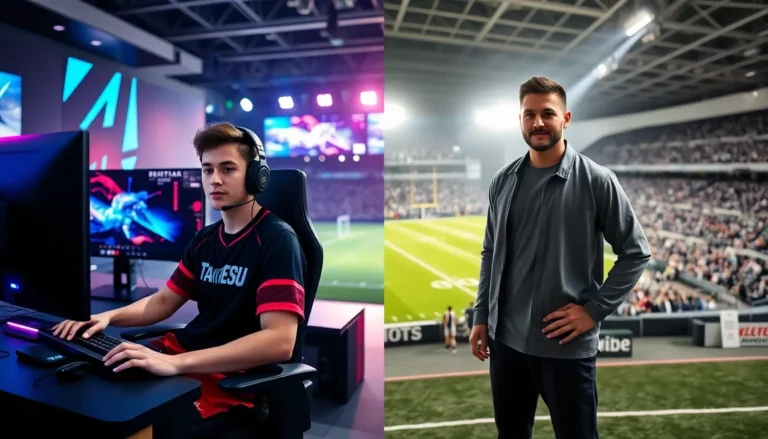
Esports vs traditional sports debates have grown louder as competitive gaming gains mainstream recognition. Both attract millions of fans, generate billions in revenue, and create professional careers for elite competitors. Yet the differences between clicking a mouse and kicking a ball seem obvious at first glance. The similarities? Those run deeper than most people realize.
This article breaks down the key distinctions and surprising overlaps between esports and traditional sports. From physical demands to earning potential, understanding these comparisons reveals why both forms of competition deserve respect, and why the line between them keeps blurring.
Table of Contents
ToggleKey Takeaways
- Esports vs traditional sports share core elements like structured competition, teamwork, strategic thinking, and mental toughness despite different mediums.
- Professional esports players perform 300-500 actions per minute, requiring elite hand-eye coordination and reaction speed comparable to traditional athletic skills.
- Esports audiences skew younger (18-34) and prefer streaming platforms, while traditional sports maintain larger overall viewership but struggle to attract younger demographics.
- Top esports players can earn millions from prize money, streaming, and sponsorships, though traditional sports salaries remain higher at elite levels.
- Esports careers typically peak in the early to mid-20s, while traditional athletes often compete into their late 30s or 40s.
- The line between esports and traditional sports continues to blur as major sports leagues create esports divisions and the International Olympic Committee explores including competitive gaming.
What Defines Esports and Traditional Sports
Esports refers to organized, competitive video gaming where professional players compete in tournaments for prizes and recognition. Games like League of Legends, Counter-Strike, and Valorant dominate the scene. Players join teams, practice for hours daily, and perform in front of live and online audiences.
Traditional sports include physical competitions like football, basketball, tennis, and soccer. Athletes train their bodies, follow strict regimens, and compete in leagues or championships governed by established organizations.
Both share core elements. They require structured competition, dedicated practice, strategic thinking, and mental toughness. Professional leagues exist in each domain. Fans follow teams, buy merchandise, and watch broadcasts. Sponsorship deals fund operations in both industries.
The main difference lies in the medium. Traditional sports happen on fields, courts, and tracks. Esports happen on screens. This distinction shapes training methods, career longevity, and audience engagement. But, the competitive spirit, team dynamics, and pursuit of excellence remain identical.
Esports vs traditional sports comparisons often highlight this shared foundation. Both cultivate discipline, teamwork, and performance under pressure. The International Olympic Committee has even explored including esports in future Olympic programs, signaling growing institutional acceptance.
Physical Demands and Skill Requirements
Traditional sports demand significant physical fitness. Basketball players run several miles per game. Soccer athletes cover even more ground. Football linemen need explosive strength. Tennis stars require endurance and agility. Physical conditioning often determines success.
Esports athletes face different physical challenges. Professional gamers perform 300-500 actions per minute during intense matches. Hand-eye coordination, reaction speed, and fine motor control separate elite players from amateurs. Hours of practice strain wrists, backs, and eyes. Carpal tunnel syndrome and posture problems affect many competitors.
Both require mental stamina. A chess grandmaster and a quarterback share the need for split-second decision-making. Esports players analyze opponents, adapt strategies mid-game, and maintain focus during multi-hour tournaments. Traditional athletes do the same on their respective playing surfaces.
Training regimens have converged. Top esports organizations now employ nutritionists, physical trainers, and sports psychologists. Team Liquid and Cloud9 maintain training facilities that rival traditional sports complexes. Sleep schedules, diet plans, and exercise routines help players maintain peak performance.
The esports vs traditional sports skill debate misses a key point: both demand specialized abilities developed through years of practice. A professional gamer can’t play quarterback. A quarterback can’t compete in professional League of Legends. Each discipline rewards mastery of specific skills.
Audience Reach and Viewership Trends
Esports audiences skew younger. Most viewers fall between 18 and 34 years old. They watch on Twitch, YouTube Gaming, and dedicated streaming platforms. The 2023 League of Legends World Championship drew over 6 million peak concurrent viewers. Total viewership across the tournament exceeded 200 million.
Traditional sports still dominate overall numbers. The 2024 Super Bowl attracted over 123 million American viewers. FIFA World Cup matches regularly surpass 1 billion global viewers. These events have decades of cultural establishment behind them.
Viewing habits differ significantly. Esports fans prefer on-demand content. They watch highlights, follow streamers, and engage on social media. Traditional sports fans tune in for scheduled broadcasts and value live viewing experiences.
The esports vs traditional sports audience overlap is growing. Many young fans watch both. ESPN broadcasts esports events. Traditional sports leagues have created their own esports divisions. The NBA 2K League and eMLS demonstrate this crossover.
Growth trajectories favor esports. Newzoo projects the global esports audience will exceed 640 million by 2025. Traditional sports maintain steady audiences but struggle to attract younger demographics. This trend shapes how advertisers and broadcasters allocate resources.
Career Opportunities and Earnings Potential
Top esports players earn substantial incomes. Johan “N0tail” Sundstein has won over $7 million in prize money from Dota 2 tournaments. Streaming revenue, sponsorships, and team salaries add to these figures. Popular content creators like Ninja have earned tens of millions annually.
Traditional sports salaries remain higher at elite levels. NBA stars sign contracts worth hundreds of millions. NFL quarterbacks and soccer superstars earn even more. Lionel Messi’s contracts have exceeded $100 million per year.
Career length differs substantially. Traditional athletes often compete into their late 30s or early 40s. Esports players typically peak in their early to mid-20s. Reaction time declines affect gaming performance earlier than physical decline impacts most traditional sports.
Both industries offer careers beyond competition. Coaching, broadcasting, team management, and content creation provide paths for former players. Traditional sports have more established infrastructure for post-playing careers. Esports is developing these pathways rapidly.
The esports vs traditional sports earnings gap narrows each year. Investment from endemic and non-endemic sponsors grows. Saudi Arabia’s $38 billion gaming initiative signals massive institutional interest. As prize pools expand and leagues mature, esports compensation will likely increase.
Both fields offer limited spots at the top. Thousands aspire to professional status in each domain. Only a small percentage achieve sustainable careers. The competition for these positions drives continuous improvement across both industries.