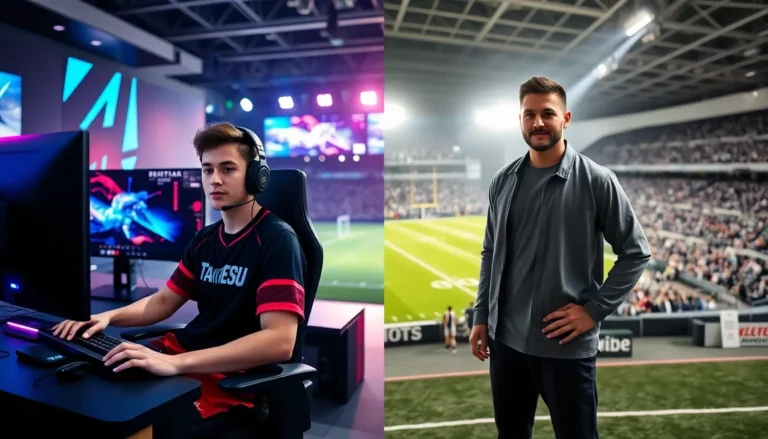
Esports trends 2026 point toward a year of major shifts in competitive gaming. The industry continues to grow at a rapid pace, with new technologies, broader audiences, and fresh business models reshaping how players compete and fans engage. Global esports revenue is projected to surpass $2 billion by 2026, driven by mobile gaming expansion, AI-powered training tools, and emerging markets across Asia, Latin America, and Africa.
This article breaks down the key esports trends 2026 will bring to the forefront. From health-focused initiatives for professional players to innovative monetization strategies, competitive gaming is evolving fast. Whether someone follows League of Legends championships or casual mobile tournaments, these developments will shape the future of the entire industry.
Table of Contents
ToggleKey Takeaways
- Esports trends 2026 will be driven by mobile gaming growth, with mobile competitions expected to account for nearly 40% of all esports viewership.
- AI-powered training tools and analytics are becoming standard for professional teams, helping analyze gameplay, optimize performance, and extend player careers.
- Emerging markets in Latin America, Africa, and the Middle East are rapidly expanding the global esports audience through infrastructure investments and localized content.
- New monetization models including in-game purchases, subscription services, and regulated betting are diversifying esports revenue beyond traditional sponsorships.
- Player health and wellness initiatives are becoming industry priorities, with organizations implementing mental health support, ergonomic practices, and standardized rest protocols.
- Global esports revenue is projected to surpass $2 billion by 2026, reflecting the industry’s rapid maturation into a legitimate professional sport.
The Rise of Mobile Esports
Mobile esports stands out as one of the most significant esports trends 2026 will showcase. Games like PUBG Mobile, Mobile Legends: Bang Bang, and Free Fire already attract millions of players and viewers worldwide. By 2026, mobile competitive gaming is expected to account for nearly 40% of all esports viewership.
Several factors drive this growth. Smartphones have become more powerful and affordable, giving players in developing regions access to high-quality gaming experiences. Tournament organizers have responded by creating dedicated mobile leagues with prize pools that rival traditional PC competitions.
China, India, and Southeast Asia lead mobile esports adoption. In these regions, mobile devices serve as the primary gaming platform for most players. Game developers have taken notice, companies like Riot Games launched mobile versions of popular titles specifically to capture this audience.
The esports trends 2026 landscape will likely see mobile and PC competitions converge. Cross-platform tournaments may become standard, allowing players to compete regardless of their preferred device. This shift opens doors for millions of new competitors who previously lacked access to expensive gaming hardware.
AI Integration in Training and Analytics
Artificial intelligence is transforming how esports teams prepare for competition. Among the esports trends 2026 will highlight, AI integration in training and analytics ranks near the top.
Professional teams now use AI-powered tools to analyze gameplay footage, identify weaknesses, and develop counter-strategies. These systems process thousands of hours of match data in minutes, something human coaches simply cannot do. By 2026, AI assistants will likely become standard equipment for competitive organizations.
Player performance tracking has also improved dramatically. Wearable devices monitor heart rate, reaction times, and fatigue levels during practice sessions. AI algorithms interpret this data to optimize training schedules and prevent burnout. Some teams already credit these tools with extending player careers by years.
Game publishers are embedding AI features directly into titles. Replay analysis, automated coaching suggestions, and personalized training modes help casual players improve faster. This democratization of coaching could expand the competitive player pool significantly.
The esports trends 2026 brings will likely include AI-generated content for broadcasts as well. Automated highlight reels, real-time statistics overlays, and predictive analytics for viewers are all in development. These features make watching esports more engaging and accessible for newcomers.
Expanding Global Markets and Audiences
Geographic expansion represents another major shift among esports trends 2026 observers should watch. While North America, Europe, and East Asia have dominated competitive gaming, new regions are emerging as powerhouses.
Latin America shows particularly strong growth. Brazil already hosts major tournaments and produces world-class players across multiple titles. Mexico, Argentina, and Chile are following suit with government support for esports infrastructure and education programs.
Africa presents untapped potential for the esports industry. Improved internet connectivity and mobile adoption rates have created fertile ground for competitive gaming. Nigeria, South Africa, and Egypt are establishing local leagues and training facilities.
The Middle East has invested heavily in esports as part of broader entertainment diversification strategies. Saudi Arabia’s Esports World Cup and similar initiatives have brought international attention to the region. These investments will mature by 2026, producing homegrown talent and events.
Language localization and regional broadcasting partnerships help drive esports trends 2026 audiences will experience. Publishers now release games with support for dozens of languages simultaneously. Streaming platforms offer commentary in local languages, making competitions accessible to billions of additional viewers.
New Revenue Streams and Monetization Models
The business side of esports is evolving rapidly. Traditional revenue sources like sponsorships and advertising remain important, but esports trends 2026 will introduce diverse monetization approaches.
In-game purchases tied to esports events generate substantial income for publishers and teams. Limited-edition skins, virtual merchandise, and battle passes linked to tournaments drive engagement and spending. Fans want to support their favorite players and organizations through direct purchases.
Subscription models are gaining traction across the industry. Platforms offer premium viewing experiences with exclusive content, ad-free streams, and behind-the-scenes access. Teams sell membership packages that include merchandise, meet-and-greets, and voting rights on minor decisions.
Betting and fantasy esports have grown into billion-dollar markets. Regulated gambling on match outcomes attracts casual viewers and increases engagement. Fantasy leagues let fans build virtual rosters and compete against friends throughout tournament seasons.
The esports trends 2026 business landscape will also feature more brand partnerships beyond gaming. Luxury fashion houses, automotive companies, and beverage brands now sponsor teams and events. These deals bring legitimacy and mainstream recognition to competitive gaming.
NFTs and blockchain-based collectibles experienced a rough period, but some applications persist. Verified digital memorabilia and proof-of-attendance tokens may find sustainable use cases by 2026.
Health and Player Wellness Initiatives
Player health has become a central concern as esports matures. Mental and physical wellness programs now rank among the most important esports trends 2026 will prioritize.
Professional players face unique challenges. Long practice hours, intense competition pressure, and public scrutiny contribute to burnout and mental health issues. Organizations are responding with dedicated support staff, including psychologists, nutritionists, and physical therapists.
Ergonomic improvements address the physical toll of competitive gaming. Teams invest in proper seating, monitor positioning, and scheduled breaks to prevent repetitive strain injuries. Some organizations mandate exercise routines and limit daily practice hours.
Age and career longevity concerns drive these changes. Most professional esports players retire in their mid-twenties, far younger than athletes in traditional sports. Better health practices could extend competitive careers and improve post-retirement outcomes.
The esports trends 2026 brings will include standardized wellness protocols across leagues. Tournament organizers are implementing minimum rest requirements between matches. Player unions advocate for health benefits and mental health resources as contract standards.
Viewers benefit from these initiatives too. Healthier players perform better and provide more consistent entertainment. The industry’s focus on wellness signals its maturation from a niche hobby to a legitimate professional sport.