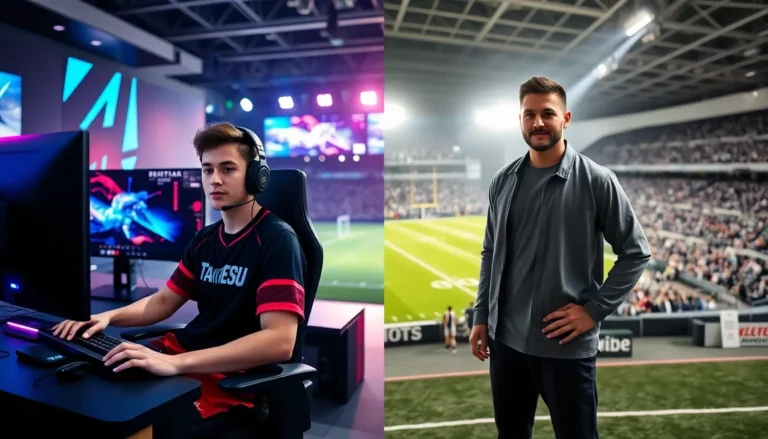
Esports techniques separate casual players from competitive champions. Professional gamers don’t just play more, they train smarter. They build specific skills that give them an edge in high-pressure matches.
The esports industry now rivals traditional sports in viewership and prize pools. Top players earn millions through tournament winnings and sponsorships. But reaching that level requires more than raw talent. It demands deliberate practice, mental discipline, and strategic thinking.
This guide breaks down the core esports techniques that drive competitive success. Players at every level can apply these methods to improve their performance and climb the ranks.
Table of Contents
ToggleKey Takeaways
- Esports techniques combine mechanical skills, strategic thinking, and mental conditioning to separate casual players from competitive champions.
- Building muscle memory through daily aim training and combo practice (15-30 minutes focused on weaknesses) creates automatic responses during high-pressure matches.
- Game sense and strategic awareness—including map knowledge, opponent prediction, and meta adaptation—are just as important as fast reflexes.
- Team-based success depends on clear communication, standardized callouts, and strong in-game leadership to coordinate plays effectively.
- Mental conditioning techniques like visualization, tilt management, and focus training help players perform consistently under tournament pressure.
- Deliberate practice with structured routines, progress tracking, and adequate rest accelerates improvement faster than grinding random matches.
Mastering Mechanical Skills and Muscle Memory
Mechanical skills form the foundation of all esports techniques. These include aim accuracy, reaction time, ability combos, and precise character control. Players must execute these actions without conscious thought during matches.
Muscle memory develops through repetition. Professional players spend hours in aim trainers and practice modes. They perform the same movements thousands of times until those actions become automatic. This frees their minds to focus on strategy instead of basic controls.
Aim training deserves special attention in shooter games. Tools like Aim Lab and Kovaak’s offer targeted drills for tracking, flicking, and target switching. Players should practice 15-30 minutes daily on specific weaknesses rather than general warm-ups.
In fighting games and MOBAs, combo execution requires similar dedication. Players must internalize input sequences so they can react instantly to openings. Frame-perfect timing often decides close matches.
Sensitivity settings and hardware optimization also affect mechanical performance. Players should find comfortable settings and stick with them. Constant adjustments reset muscle memory progress. The best esports techniques rely on consistency in both practice and setup.
Strategic Thinking and Game Sense
Raw mechanical skill only goes so far. Top competitors combine fast hands with smart decision-making. Game sense, the ability to read situations and predict outcomes, separates good players from great ones.
Strategic esports techniques include map awareness, economy management, and opponent analysis. Players must track multiple variables while executing their own plans. They study professional matches to learn positioning, timing, and resource allocation.
Pattern recognition improves through experience and VOD review. Reviewing recorded matches helps players identify mistakes they missed in real-time. They can pause, analyze decision points, and develop better responses for similar situations.
Meta knowledge matters in competitive play. Games receive regular updates that shift character balance and strategy. Successful players adapt quickly to patches. They test new approaches in practice before applying them in ranked matches.
Game sense also involves predicting enemy behavior. Players learn common patterns at different skill levels. They anticipate pushes, rotations, and ability usage based on available information. This predictive ability creates reaction-time advantages, players respond faster when they expect specific actions.
Communication and Team Coordination
Team-based esports require clear communication. Individual skill means little if teammates can’t coordinate effectively. The best squads function as a single unit with shared information and goals.
Effective callouts transmit critical data quickly. Players develop standardized terms for locations, enemy positions, and ability status. Short, precise calls reduce confusion during chaotic fights. Teams practice communication drills alongside mechanical training.
In-game leadership structures help organize team efforts. Shot-callers make decisive calls that teammates follow without hesitation. This prevents the paralysis that comes from five players offering different opinions mid-fight.
Esports techniques for team play extend beyond voice chat. Players must read teammate positioning and adapt their own actions accordingly. They support each other’s plays without explicit instruction. This synergy develops through hours of practice together.
Conflict resolution skills matter too. Tilt and frustration damage team performance. Successful teams address issues constructively rather than trading blame. They focus criticism on decisions rather than people. Professional organizations often hire sports psychologists to help with team dynamics.
Mental Conditioning and Focus
Esports techniques aren’t purely physical or strategic. Mental conditioning determines how well players perform under pressure. Tournament matches create stress that degrades performance without proper preparation.
Focus training helps players maintain concentration during long sessions. Techniques borrowed from traditional sports, visualization, breathing exercises, and mindfulness, apply directly to competitive gaming. Players practice entering a flow state where distractions fade away.
Tilt management prevents emotional spirals after bad plays. Players develop personal reset rituals: deep breaths, brief physical movement, or mental reframes. They recognize early warning signs and intervene before frustration affects their gameplay.
Sleep and physical health directly impact cognitive function. Reaction times suffer with poor rest. Many esports organizations now mandate exercise programs and sleep schedules for their players. Bodies and minds work together.
Confidence comes from preparation. Players who’ve practiced specific scenarios feel calmer when those situations arise in competition. They trust their training. This mental security allows them to take calculated risks instead of playing scared.
Effective Practice Routines for Improvement
Deliberate practice drives skill development faster than casual play. Random matches provide experience but lack focus. Structured routines target specific weaknesses with measurable goals.
Effective esports techniques for training include warm-up drills, focused skill work, and competitive application. A typical session might include 20 minutes of aim training, 30 minutes of specific technique practice, and several ranked matches to apply those skills under pressure.
Players should track their progress over time. Recording statistics reveals improvement trends and persistent problem areas. Data removes guesswork from training priorities.
Coaching accelerates development. Outside observers spot habits that players miss themselves. Professional coaches analyze gameplay and provide targeted feedback. Even peer review from skilled friends offers value.
Rest periods prevent burnout and allow skill consolidation. The brain processes and strengthens new patterns during sleep. Grinding 12-hour sessions often produces diminishing returns. Smart players balance intensity with recovery.
Variety in practice keeps motivation high. Players can rotate between different training focuses across the week. They might emphasize mechanics on Monday, strategy on Wednesday, and team coordination on Friday. This approach prevents boredom while developing all essential skills.