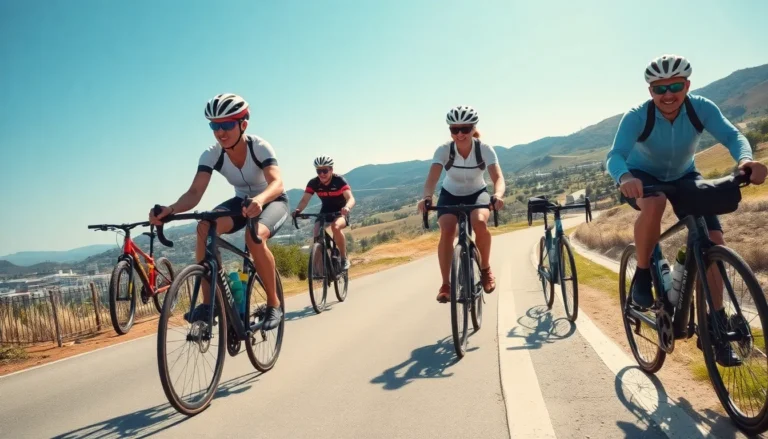
Cycling trends 2026 point toward a year of significant change for riders worldwide. The industry continues to evolve with new technology, shifting consumer preferences, and growing environmental awareness. E-bikes are gaining ground. Gravel riding is pulling more cyclists off paved roads. Cities are rethinking how they accommodate two-wheeled commuters.
This article breaks down the key cycling trends 2026 will bring. From smart technology integration to sustainable manufacturing practices, the year ahead promises exciting developments for casual riders and serious cyclists alike.
Table of Contents
ToggleKey Takeaways
- E-bikes lead cycling trends 2026 with improved battery range (50–80 miles per charge) and more affordable price points under $1,500.
- Smart technology integration—including GPS tracking, crash detection, and AI-powered coaching—is becoming standard on new bikes.
- Gravel and adventure cycling continue to surge, with manufacturers offering versatile bikes that handle pavement, gravel, and light trails.
- Sustainability is reshaping the industry through recycled materials, modular frame designs, and extended product lifecycles.
- Cities worldwide are investing heavily in protected bike lanes, bike-share programs, and employer-sponsored cycling benefits.
- Cargo e-bikes are transforming urban delivery, offering faster and more cost-effective last-mile logistics than traditional trucks.
The Rise of E-Bikes and Smart Technology
E-bikes represent one of the most significant cycling trends 2026 will showcase. Sales projections indicate continued double-digit growth across North America and Europe. More riders are choosing electric-assist bikes for commuting, recreation, and even competitive racing.
Several factors drive this e-bike surge. Battery technology keeps improving, lighter cells with longer range make electric bikes practical for more use cases. A typical mid-range e-bike now offers 50 to 80 miles per charge, up from 30 to 40 miles just a few years ago.
Smart technology integration is reshaping how cyclists interact with their bikes. GPS tracking systems come standard on many 2026 models. Riders can monitor speed, cadence, heart rate, and route data through smartphone apps. Some manufacturers now offer crash detection features that automatically alert emergency contacts.
Connected components add another layer to this tech revolution. Smart helmets with built-in speakers and microphones let cyclists take calls hands-free. Intelligent lighting systems adjust brightness based on ambient conditions. Even bike locks have gone digital, with fingerprint recognition and remote unlocking capabilities.
The cycling trends 2026 brings also include AI-powered coaching tools. These systems analyze riding data and provide personalized training recommendations. They can suggest optimal gear ratios, predict maintenance needs, and track fitness progress over time.
Price points continue dropping as competition increases. Entry-level e-bikes that cost $2,500 three years ago now sell for under $1,500. This accessibility opens electric cycling to a broader demographic, including older adults who might otherwise have given up riding.
Gravel and Adventure Cycling Continues to Grow
Gravel cycling remains one of the hottest cycling trends 2026 will amplify. This discipline, riding mixed surfaces on drop-bar bikes, attracts road cyclists seeking variety and mountain bikers wanting longer distances.
Bike manufacturers are responding with purpose-built gravel machines. Frame geometries now accommodate wider tires (up to 50mm), additional water bottle mounts, and integrated storage solutions. Many 2026 gravel bikes feature electronic shifting as standard equipment.
The adventure cycling segment is growing alongside gravel. Bikepacking, self-supported multi-day trips, has gained a dedicated following. Lightweight frame bags, handlebar rolls, and seat packs let riders carry camping gear without traditional panniers.
Event organizers have noticed this trend. New gravel races and adventure rides pop up monthly across the United States, Canada, and Europe. Some draw thousands of participants. The Unbound Gravel race in Kansas now attracts elite professional cyclists alongside weekend warriors.
Bike path networks are expanding to support these riders. Many regions now designate mixed-surface routes specifically for gravel and adventure cycling. Rails-to-trails conversions provide ideal terrain, relatively smooth crushed limestone with gentle grades.
The cycling trends 2026 delivers include specialized gravel components. Tire manufacturers offer dozens of tread patterns optimized for different surface conditions. Suspension stems and seatposts smooth rough roads without the weight penalty of full suspension systems.
Retailers report strong demand for “do-it-all” bikes that handle pavement, gravel, and light trails equally well. This versatility appeals to riders who don’t want multiple bikes for different disciplines.
Sustainability and Eco-Friendly Innovations
Sustainability stands among the most important cycling trends 2026 will highlight. Manufacturers face increasing pressure to reduce environmental impact across production, packaging, and product lifecycle.
Recycled materials appear in more bike components each year. Carbon fiber recycling programs now recover usable material from damaged frames and production waste. Some brands incorporate this recycled carbon into new components, forks, handlebars, and seatposts.
Aluminum recycling has long been standard practice, but 2026 brings improvements. New alloy formulations use higher percentages of post-consumer recycled content without sacrificing strength or durability. Several major manufacturers have committed to 100% recycled aluminum frames by 2028.
Packaging waste is another focus area. Bike boxes made from recycled cardboard, soy-based inks, and minimal plastic wrapping are becoming industry norms. Some companies now ship bikes in reusable containers that customers return for credit.
The cycling trends 2026 presents also include extended product lifecycles. Modular frame designs allow riders to replace individual components rather than entire bikes. Universal mounting standards make it easier to swap parts between brands and generations.
Repair culture is gaining momentum. Local bike shops offer more maintenance classes. Online tutorials teach basic repairs. This shift reduces the number of functional bikes ending up in landfills.
Tire disposal presents unique challenges. Rubber recycling programs convert worn-out tires into playground surfaces, running tracks, and new bike accessories. A few manufacturers have introduced partially biodegradable tire compounds, though durability concerns remain.
Urban Infrastructure and Commuter Cycling Shifts
Urban cycling infrastructure represents a defining element of cycling trends 2026. Cities worldwide are investing in protected bike lanes, dedicated cycling highways, and improved bike parking facilities.
Paris has emerged as a global leader. The French capital added over 180 kilometers of protected bike lanes since 2020. Other European cities, including Barcelona, Milan, and Berlin, are following similar plans.
North American cities are catching up. New York continues expanding its protected lane network. Los Angeles recently approved a significant cycling infrastructure investment. Smaller cities like Portland, Minneapolis, and Austin remain ahead of larger counterparts in per-capita bike infrastructure.
Bike-share programs have evolved considerably. Docked systems now compete with dockless options. Many programs offer both traditional pedal bikes and e-bikes. Integration with public transit apps makes multi-modal commuting seamless.
The cycling trends 2026 showcases include employer-sponsored cycling benefits. Companies provide secure bike storage, shower facilities, and financial incentives for bike commuters. Some offer bicycle purchase programs with payroll deduction options.
Cargo bikes are transforming last-mile delivery. Urban logistics companies deploy fleets of electric cargo bikes for package delivery. These vehicles navigate congested streets faster than trucks and cost less to operate.
Safety improvements accompany infrastructure expansion. Better intersection design reduces conflict between cyclists and motor vehicles. Dedicated signal phases give bikes a head start at busy crossings. Improved street lighting makes evening commutes safer.