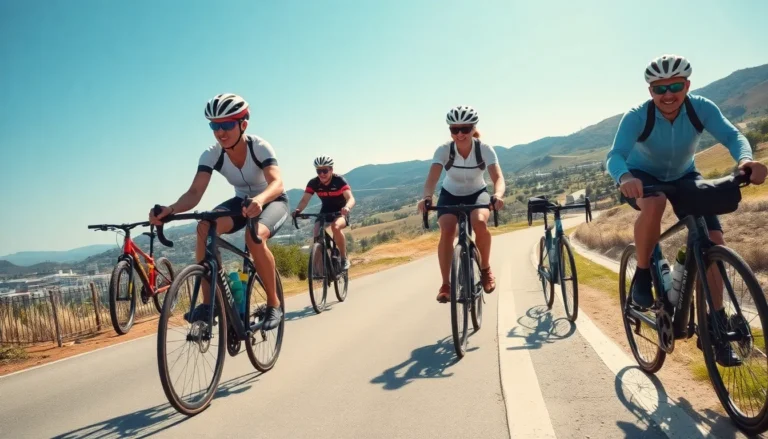
Cycling techniques separate casual riders from confident cyclists who handle any road condition. Whether someone pedals through city streets or tackles mountain trails, proper technique improves speed, conserves energy, and prevents injuries. This guide covers the essential cycling techniques every rider needs to know, from pedaling form to braking control. Riders who master these skills will ride faster, safer, and with far less fatigue.
Table of Contents
ToggleKey Takeaways
- Mastering cycling techniques like circular pedaling, proper cadence (80-100 RPM), and correct foot position significantly improves speed and reduces fatigue.
- Effective cornering requires braking before the turn, leaning the bike (not your body), and pressing weight into the outside pedal for maximum traction.
- When climbing hills, shift to an easier gear before the incline steepens and alternate between seated and standing positions to engage different muscle groups.
- The front brake provides about 70% of stopping power—apply both brakes progressively with more pressure on the front for safe, controlled stops.
- On long descents, use interval braking (firm braking followed by release periods) to prevent overheating and maintain better speed control.
- Practice these cycling techniques on familiar roads during easy rides before applying them to challenging terrain or conditions.
Mastering Proper Pedaling Form
Good cycling techniques start with the pedal stroke. Many beginners push down on the pedals and call it a day. But efficient riders use a circular motion that generates power throughout the entire rotation.
The Full Pedal Circle
Think of the pedal stroke as a clock face. The power phase runs from 12 o’clock to 5 o’clock, this is where riders push down. But the real efficiency gains come from the other phases. From 5 to 7 o’clock, riders should pull back slightly (like scraping mud off a shoe). From 7 to 12, they lift the foot to reduce resistance on the opposite leg.
Cadence Matters
Cadence refers to pedal revolutions per minute (RPM). Most recreational cyclists pedal at 60-70 RPM. Professional cyclists typically maintain 80-100 RPM. Higher cadence reduces muscle strain and distributes effort across the cardiovascular system.
To improve cadence, riders can:
- Use a bike computer with cadence tracking
- Practice spinning drills in low gear
- Focus on smooth, consistent rotations rather than mashing the pedals
Foot Position
The ball of the foot should rest directly over the pedal axle. This position maximizes power transfer and reduces knee strain. Riders who pedal with their arches or toes will experience fatigue faster and risk injury over time.
Proper pedaling cycling techniques take weeks to develop. Riders should practice during easy rides before applying them to harder efforts.
Cornering and Turning Techniques
Corners test a cyclist’s skill more than straight roads ever will. Poor cornering cycling techniques waste momentum and create crash risks. Smart cornering keeps speed high and riders safe.
The Entry Phase
Riders should slow down before the corner, not during it. Braking while turning reduces tire grip and can cause skids. The correct approach: brake early, release the brakes, then enter the turn.
Body Position for Turns
During a corner, the rider’s body should:
- Lean the bike into the turn
- Keep the outside pedal down (at the 6 o’clock position)
- Press weight into the outside pedal
- Look through the corner toward the exit
This weight distribution pushes the tires into the road and increases traction. Many riders make the mistake of leaning their body instead of the bike, this actually reduces control.
The Exit
As the rider exits the corner, they should begin pedaling once the bike straightens. Pedaling too early in a turn can cause the inside pedal to strike the ground.
Wet Weather Adjustments
Wet roads demand modified cycling techniques. Riders should:
- Reduce speed by 20-30%
- Avoid painted road markings (they become slick)
- Use wider turning arcs
- Lean the bike less aggressively
Practice cornering on familiar roads before attempting new routes. Confidence comes from repetition.
Climbing Hills Efficiently
Hills humble even experienced cyclists. But proper cycling techniques turn dreaded climbs into manageable challenges.
Gear Selection
Shift to an easier gear before the hill steepens. Waiting too long forces riders to shift under heavy load, which stresses the drivetrain and breaks rhythm. A good rule: shift one gear easier than seems necessary at the base.
Seated vs. Standing
Both positions have advantages:
| Position | Best For | Trade-offs |
|---|---|---|
| Seated | Long climbs, steady effort | Less power per stroke |
| Standing | Short, steep sections | Higher energy cost |
Most efficient climbers alternate between positions. Standing engages different muscle groups and provides brief recovery for seated muscles.
Breathing and Rhythm
Hill climbing increases oxygen demand significantly. Riders should establish a breathing pattern early, typically two pedal strokes per inhale, two per exhale. Erratic breathing leads to early fatigue.
Upper Body Technique
Tense shoulders and a death grip on the handlebars waste energy. Riders should:
- Relax the shoulders and drop them away from the ears
- Keep a light grip on the bars
- Avoid excessive upper body movement
- Let the legs do the work
These cycling techniques apply to both road and mountain biking. The principles remain consistent regardless of terrain.
Braking and Speed Control
Braking seems simple until a rider needs to stop quickly. Proper cycling techniques for braking prevent accidents and extend equipment life.
Front vs. Rear Brake Balance
The front brake provides roughly 70% of stopping power. This surprises many riders who fear flipping over the handlebars. The key is progressive application, squeeze gradually rather than grab suddenly.
A balanced approach:
- Apply both brakes simultaneously
- Use more front brake pressure than rear
- Release the rear brake slightly if the wheel starts to skid
Body Position During Braking
Hard braking shifts weight forward. Riders should counter this by:
- Sliding back on the saddle
- Lowering the chest toward the bars
- Keeping arms slightly bent to absorb force
This position keeps the rear wheel weighted and prevents the rider from pitching forward.
Modulation Over Power
Good braking cycling techniques prioritize control over raw stopping force. Pumping the brakes or grabbing them hard causes skids. Smooth, consistent pressure stops the bike faster and maintains control.
Descending Skills
Long descents require ongoing speed management. Rather than riding the brakes continuously (which overheats rims and pads), riders should:
- Brake firmly for short intervals
- Release brakes to let components cool
- Repeat as needed
This technique, called interval braking, extends brake life and provides better control on extended downhills.