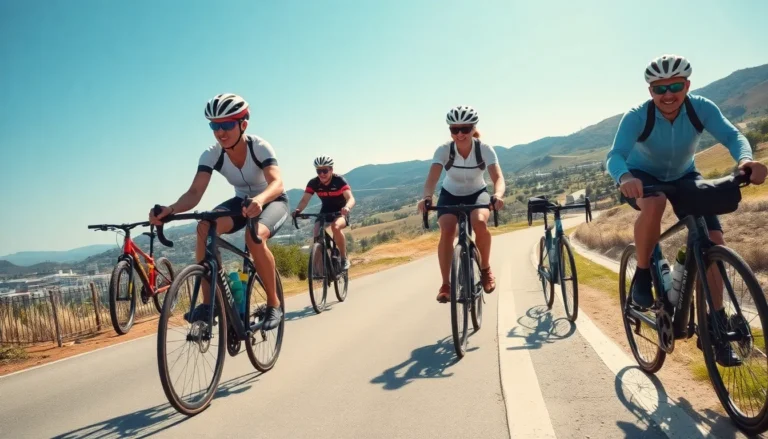
Finding fresh cycling ideas can transform an ordinary ride into something memorable. Whether someone pedals for fitness, transportation, or pure enjoyment, new approaches keep the experience exciting. Cyclists at every skill level benefit from mixing up their routines. This guide covers scenic routes, urban commuting tips, group rides, training challenges, and gear upgrades. Each section offers practical suggestions to help riders get more from their time on two wheels.
Table of Contents
ToggleKey Takeaways
- Fresh cycling ideas—like exploring scenic routes, joining group rides, or setting fitness goals—keep your rides exciting and purposeful.
- Trail apps such as Komoot and Strava help cyclists discover new routes filtered by distance, elevation, and difficulty level.
- Bike commuting saves money and builds fitness into your daily routine when you plan safe routes with bike lanes or separated paths.
- Group rides and cycling clubs provide motivation, social connection, and structured events for riders of all skill levels.
- Simple gear upgrades like wider tires, a properly fitted saddle, and quality lighting significantly improve comfort and safety.
- Setting measurable training goals—such as monthly mileage targets or climbing challenges—transforms casual rides into purposeful workouts.
Scenic Routes and Trail Exploration
One of the best cycling ideas involves discovering new scenic routes. Local parks, river trails, and mountain paths offer views that make every pedal stroke worthwhile.
Trail apps like Komoot, AllTrails, and Strava help cyclists find popular routes nearby. These platforms show distance, elevation gain, and user reviews. Riders can filter results by difficulty level to match their experience.
For road cyclists, country lanes and coastal highways provide open space with minimal traffic. Many states maintain designated bike routes that connect small towns and scenic overlooks. California’s Pacific Coast Highway and Vermont’s covered bridge routes attract cyclists from around the country.
Mountain bikers should research local trail systems before heading out. Single-track trails vary widely in technical difficulty. A beginner-friendly trail in one area might feel advanced compared to another. Checking recent trail conditions prevents surprises from weather damage or construction.
Seasonal changes create cycling ideas worth planning around. Fall foliage rides through New England draw thousands of cyclists each year. Spring wildflower blooms along Texas hill country roads offer similar appeal. These time-sensitive opportunities add urgency that motivates riders to get out.
Weekend trips to nearby cycling destinations expand options beyond daily ride zones. Many cities now promote themselves as cycling-friendly, offering dedicated infrastructure and bike-rental services for visitors.
Commuting and Urban Cycling Tips
Bike commuting ranks among the most practical cycling ideas for daily riders. It saves money, reduces carbon emissions, and builds fitness into a regular schedule.
Planning a safe route matters more than finding the shortest path. Cyclists should identify streets with bike lanes, low traffic volume, or separated paths. Google Maps and CityMapper show bike-friendly directions in most major cities.
Rush hour traffic requires extra awareness. Positioning matters, riders should take the full lane when necessary and avoid the “door zone” near parked cars. Bright clothing and front/rear lights increase visibility during early morning or evening commutes.
Urban cycling ideas extend beyond commuting. Running errands by bike works well with a sturdy rack or basket. Grocery runs, library visits, and post office trips become mini-adventures instead of chores.
Weather preparation separates occasional bike commuters from year-round riders. A quality rain jacket, waterproof panniers, and fender installation handle wet conditions. Cold weather cycling requires layering systems that wick moisture while blocking wind.
Bike security in cities demands attention. Quality U-locks outperform cable locks against theft. Registering a bike’s serial number and taking photos helps recovery if theft occurs. Some cyclists remove quick-release components or add locking skewers for extra protection.
E-bikes have expanded commuting cycling ideas significantly. Electric assist makes longer distances and hilly terrain accessible to more riders. Many commuters find that e-bikes eliminate the sweat factor that previously kept them from riding to work.
Group Rides and Social Cycling Events
Group rides turn cycling ideas into shared experiences. Riding with others provides motivation, safety in numbers, and social connection.
Local bike shops often host weekly group rides at various paces. These no-drop rides accommodate beginners, while faster groups challenge experienced cyclists. Shop employees usually know the routes well and handle mechanical issues that arise.
Cycling clubs offer structured membership with regular events, organized tours, and group discounts. Clubs range from casual social groups to competitive racing teams. Most welcome new members regardless of ability level.
Charity rides combine cycling ideas with fundraising for causes. Events like MS 150, AIDS LifeCycle, and Tour de Cure attract thousands of participants annually. These rides provide training plans, rest stops, and a sense of purpose beyond personal fitness.
Critical Mass rides occur monthly in many cities. These events promote cycling awareness through large group rides on public streets. The atmosphere tends toward celebration rather than competition.
Cycling apps help spontaneous group connections. Strava’s local segment leaderboards create informal competition. Meetup groups organize rides based on specific interests like gravel grinding, night riding, or coffee shop tours.
Organized cycling events offer unique experiences. Gran fondos simulate professional race conditions without official racing. Gravel races have exploded in popularity, drawing riders to events like Unbound Gravel and Belgian Waffle Ride. These cycling ideas push participants beyond their comfort zones.
Fitness Goals and Training Challenges
Fitness-focused cycling ideas give riders specific targets to chase. Goals transform aimless pedaling into purposeful training.
Setting monthly mileage targets works for many cyclists. A commitment to ride 200 miles in a month creates accountability. Apps track progress automatically and send reminders when riders fall behind pace.
Climbing challenges appeal to those seeking intensity. Tracking total elevation gain per month or conquering a local climb in record time provides measurable achievement. Some cyclists pursue “Everesting”, repeating a single climb until they accumulate 29,029 feet of elevation.
Interval training improves speed and power efficiently. A simple structure involves alternating hard efforts with recovery periods. Twenty minutes of intervals can deliver benefits that two hours of steady riding cannot match.
Structured training plans prepare cyclists for specific events. An eight-week plan for a century ride builds endurance gradually. Training apps like TrainerRoad and Zwift offer customized programs based on fitness testing.
Cross-training cycling ideas prevent overuse injuries and maintain motivation. Swimming, running, and strength training complement cycling fitness. Many cyclists find that gym work improves their power output on the bike.
Rest days matter as much as training days. Muscles repair and strengthen during recovery periods. Overtraining leads to fatigue, poor performance, and increased injury risk. Smart cyclists schedule easy weeks into their training cycles.
Gear Upgrades and Bike Customization
Gear-related cycling ideas help riders optimize their setup. Small changes can improve comfort, performance, and enjoyment significantly.
Tire upgrades deliver noticeable improvements. Wider tires at lower pressure increase comfort without sacrificing speed. Tubeless setups eliminate most flat tires and allow even lower pressures for better grip.
Saddle selection affects ride quality more than almost any other component. Professional bike fits often start with saddle adjustments. Many shops offer demo programs that let cyclists test saddles before purchasing.
Handlebar changes address comfort issues for long rides. Drop bar cyclists might try different reach or drop measurements. Flat bar riders benefit from ergonomic grips that reduce hand numbness.
Lighting upgrades improve safety for anyone riding at dawn, dusk, or night. Modern LED lights offer impressive brightness at low weights. Daytime running lights have become standard for visibility-conscious cyclists.
Computer and GPS devices track ride data automatically. Basic units show speed, distance, and time. Advanced models offer turn-by-turn directions, live tracking, and wireless sensor connections.
Clothing cycling ideas focus on comfort across conditions. A quality chamois makes multi-hour rides bearable. Arm warmers, leg warmers, and vests allow quick adjustments as temperatures change mid-ride.
Bike storage solutions expand cycling possibilities. Roof racks, hitch mounts, and trunk carriers enable trips to distant trails. Indoor trainers turn any bike into home gym equipment during bad weather.