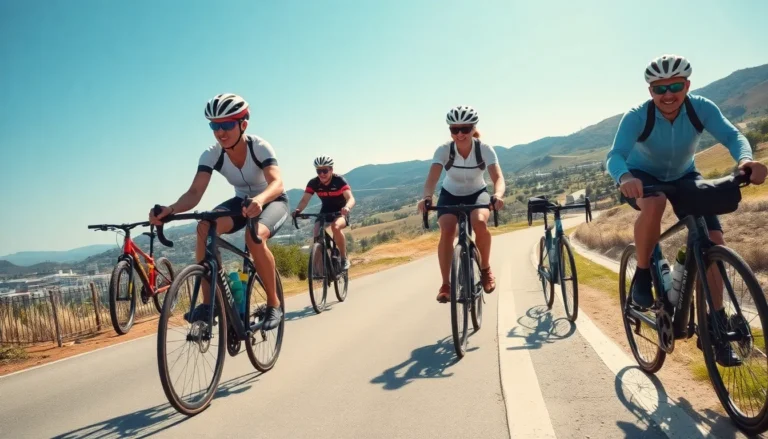
A cycling guide helps riders at every skill level get more from their time on two wheels. Whether someone just bought their first bike or has logged thousands of miles, the right information makes every ride better. This guide covers bike selection, essential gear, riding techniques, safety practices, and fitness building. Cyclists who understand these fundamentals enjoy the sport more and stay safer on the road. The following sections break down everything a rider needs to know to start pedaling with confidence.
Table of Contents
ToggleKey Takeaways
- This cycling guide covers everything from bike selection to fitness building, helping riders at every skill level get more from their time on two wheels.
- Choose between road, mountain, hybrid, or cruiser bikes based on your riding style—and always get properly fitted to prevent discomfort and injuries.
- Essential gear includes a quality helmet (reduces head injury risk by up to 85%), padded cycling shorts, lights, and a basic repair kit for roadside emergencies.
- Master proper pedaling form by using a circular motion at 80-100 RPM and always brake gradually using both levers to stay safe.
- Build cycling fitness gradually by starting with 20-30 minute rides and increasing weekly mileage by no more than 10% to avoid injury.
- Prioritize recovery with 1-2 rest days per week and post-ride nutrition containing protein and carbohydrates within 30 minutes of finishing.
Choosing the Right Bike for Your Needs
The first step in any cycling guide starts with picking the right bike. Riders have several main categories to consider: road bikes, mountain bikes, hybrid bikes, and cruisers.
Road bikes feature lightweight frames and thin tires. They work best on paved surfaces and suit riders who want speed. These bikes typically have drop handlebars that position the rider in an aerodynamic posture.
Mountain bikes handle rough terrain like trails, gravel, and dirt paths. They have wider tires with aggressive tread patterns and suspension systems that absorb shocks. Riders who enjoy off-road adventures prefer this style.
Hybrid bikes combine features from road and mountain bikes. They offer a comfortable upright riding position with medium-width tires. Many commuters and casual riders choose hybrids for their versatility.
Cruiser bikes prioritize comfort over performance. They have wide seats, upright handlebars, and a relaxed geometry. Beach towns and flat neighborhoods are ideal settings for cruisers.
Frame size matters significantly. A bike that’s too large or small causes discomfort and can lead to injuries. Most bike shops offer fitting services. Riders should test several sizes before purchasing.
Budget plays a role too. Entry-level bikes start around $300-$500. Mid-range options run $800-$1,500. Serious cyclists often invest $2,000 or more for premium components and lighter frames.
Essential Gear and Accessories
Every cycling guide emphasizes the importance of proper gear. The right equipment keeps riders safe, comfortable, and prepared for any situation.
Helmets top the priority list. A quality helmet reduces head injury risk by up to 85%. Look for models with MIPS technology, which provides additional protection against rotational forces. Replace helmets after any crash or every five years.
Cycling shorts with padded chamois reduce saddle discomfort on longer rides. Beginners often skip this purchase and regret it after their first 20-mile ride.
Gloves protect hands during falls and reduce vibration fatigue. They also provide better grip in wet conditions.
Lights are essential for visibility. Front lights should produce at least 300 lumens for road riding. Rear lights with flashing modes catch drivers’ attention more effectively than steady beams.
Repair kits prevent roadside disasters. A basic kit includes:
- Spare inner tube
- Tire levers
- Mini pump or CO2 inflator
- Multi-tool with hex keys
- Patch kit
Water bottles and cages keep riders hydrated. Most cyclists drink 16-24 ounces per hour during moderate exercise.
Bike locks protect investments. U-locks offer better security than cable locks. Riders should always lock through the frame and at least one wheel.
Basic Cycling Techniques and Safety Tips
This cycling guide section covers fundamental skills that every rider should master.
Proper Pedaling Form
Efficient pedaling uses a circular motion rather than just pushing down. Riders should pull up on the backstroke and push forward at the top of the rotation. This technique distributes effort across more muscle groups and reduces fatigue.
Cadence, the number of pedal revolutions per minute, affects both speed and endurance. Most cycling experts recommend maintaining 80-100 RPM for road riding. Lower cadences with higher resistance strain the knees over time.
Braking Techniques
Both brakes should work together. The front brake provides about 70% of stopping power, but grabbing it too hard causes the rider to flip over the handlebars. Squeeze both levers gradually and shift weight slightly backward during hard stops.
Wet conditions require extra stopping distance. Rim brakes lose effectiveness when wet. Disc brakes perform more consistently in rain.
Road Safety Rules
Cyclists should ride with traffic, not against it. They must obey traffic signals and signs just like motor vehicles. Hand signals communicate intentions to drivers:
- Left arm extended: left turn
- Left arm bent upward at elbow: right turn
- Left arm pointed downward: stopping
Making eye contact with drivers at intersections confirms they’ve seen the cyclist. Never assume a driver will yield the right of way.
Group Riding Etiquette
Riders in groups should maintain predictable movements. Sudden swerving endangers everyone. Point out road hazards like potholes and debris to riders behind. Call out “car back” when vehicles approach from behind.
Building Your Fitness and Endurance
A practical cycling guide addresses physical conditioning. Building cycling fitness takes time and consistency.
Starting Slow
New cyclists should begin with 20-30 minute rides at a comfortable pace. The body needs time to adapt to the seated position and repetitive motion. Increasing weekly mileage by more than 10% raises injury risk.
Structured Training
After building a base, riders can add variety to their training:
Long slow distance (LSD) rides build aerobic capacity. These rides last 1-3 hours at a conversational pace. Riders should be able to speak in complete sentences throughout.
Interval training improves speed and power. A simple interval workout alternates 2 minutes of hard effort with 2 minutes of easy spinning. Eight to ten repetitions create a solid session.
Hill repeats develop climbing strength. Find a hill that takes 3-5 minutes to climb. Ride up at a hard effort, recover on the descent, and repeat 4-6 times.
Recovery Matters
Rest days allow muscles to repair and grow stronger. Most recreational cyclists benefit from 1-2 rest days per week. Active recovery, like walking or easy spinning, works better than complete inactivity.
Sleep quality affects cycling performance significantly. Athletes who get less than seven hours of sleep show decreased power output and slower reaction times.
Nutrition Basics
Rides under 90 minutes typically don’t require food. Water handles hydration needs. Longer rides demand carbohydrates, aim for 30-60 grams per hour. Energy gels, bars, and real food like bananas all work well.
Post-ride nutrition speeds recovery. A snack with both protein and carbohydrates within 30 minutes of finishing helps muscles rebuild.