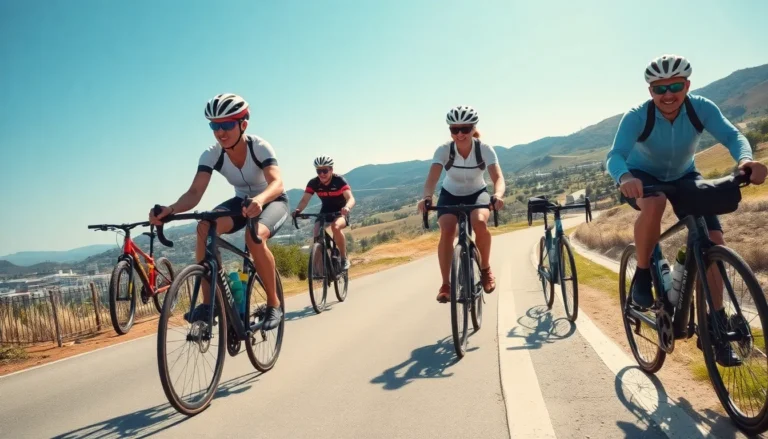
Cycling for beginners can feel overwhelming at first. There are bikes to choose, gear to buy, and skills to learn. But here’s the good news: getting started is simpler than most people think. This guide covers everything a new cyclist needs to know. From picking the right bike to building endurance over time, each section breaks down the essentials. Whether someone wants to commute, get fit, or just enjoy weekend rides, cycling offers something for everyone. Let’s get those wheels turning.
Table of Contents
ToggleKey Takeaways
- Cycling for beginners starts with choosing the right bike type—road, hybrid, or mountain—based on where you plan to ride most often.
- A properly fitted helmet is essential safety gear, and it should sit level on your head about two finger-widths above your eyebrows.
- Master basic techniques like smooth pedaling, gradual braking, and shifting gears before hills to ride more safely and efficiently.
- Start with short 20-30 minute rides on flat, low-traffic routes and gradually increase distance by 5-10 minutes each week.
- Riding three times per week builds endurance faster than occasional long rides, and consistency beats intensity for new cyclists.
- Join local group rides or online cycling communities to stay motivated and make the learning process more enjoyable.
Choosing Your First Bike
The first step in cycling for beginners is selecting the right bike. This choice depends on where and how often someone plans to ride.
Road bikes work best for paved surfaces and longer distances. They feature thin tires, lightweight frames, and drop handlebars. Riders who want speed and efficiency on city streets or cycling paths should consider this option.
Hybrid bikes combine features from road and mountain bikes. They offer a comfortable upright position and wider tires that handle both pavement and light trails. For beginners who aren’t sure where they’ll ride most often, hybrids provide excellent versatility.
Mountain bikes suit off-road adventures. They have thick, knobby tires, suspension systems, and sturdy frames built for rough terrain. Someone drawn to trail riding or dirt paths should look here first.
Budget matters too. New cyclists don’t need to spend thousands of dollars. Quality entry-level bikes cost between $300 and $600. Used bikes from reputable sellers can cut costs further. The key is finding a bike that fits properly. A local bike shop can help with sizing, this step prevents discomfort and potential injuries down the road.
Test rides matter more than brand names. Sit on several bikes and pedal around the parking lot. The right bike should feel natural, not awkward.
Essential Gear and Safety Equipment
Cycling for beginners requires some basic gear beyond the bike itself. Safety equipment should top every shopping list.
Helmet
A helmet is non-negotiable. Head injuries account for a significant portion of serious cycling accidents. A properly fitted helmet should sit level on the head, about two finger-widths above the eyebrows. The straps should form a “V” shape under each ear. Helmets meeting CPSC (Consumer Product Safety Commission) standards provide reliable protection.
Clothing
Specialized cycling clothing isn’t mandatory for beginners. Comfortable athletic wear works fine for short rides. But, padded cycling shorts reduce saddle soreness on longer outings. Bright or reflective clothing increases visibility to drivers.
Lights and Reflectors
Front white lights and rear red lights are essential for riding in low-light conditions. Many cities legally require them after dark. Even daytime riders benefit from blinking lights, they catch drivers’ attention.
Basic Tools
Every cyclist should carry:
- A spare tube
- Tire levers
- A portable pump or CO2 inflator
- A multi-tool with hex wrenches
Flat tires happen. Learning to fix them beats waiting for rescue on a lonely road.
Water and Storage
A water bottle and cage mount to most bike frames. For longer rides, a small saddle bag holds tools, snacks, and a phone. Hydration prevents fatigue and keeps energy levels steady.
Basic Cycling Techniques and Skills
Cycling for beginners involves more than just pedaling. A few core techniques make rides safer and more enjoyable.
Proper Pedaling
Smooth, circular pedal strokes use energy efficiently. Many beginners push down hard but neglect the upstroke. Think about “scraping mud off your shoe” at the bottom of each rotation. This motion engages more muscle groups and reduces knee strain.
Shifting Gears
Gears exist to match effort to terrain. Lower gears (smaller chainring in front, larger cog in back) make climbing hills easier. Higher gears help riders go faster on flat ground. Shift before hills begin, not in the middle of them. Shifting under heavy pressure wears out components and can cause chain drops.
Braking
Both brakes should work together. The front brake provides most of the stopping power, but grabbing it suddenly can send a rider over the handlebars. Apply both brakes gradually. In wet conditions, brakes need more distance to work, slow down earlier.
Handling and Balance
Look where you want to go, not at obstacles you want to avoid. The bike follows the eyes. When turning, lean slightly into the curve. Practice slow-speed handling in an empty parking lot before hitting busy streets.
Road Awareness
Ride predictably. Signal turns with hand gestures. Check over the shoulder before changing lanes. Assume drivers don’t see you, because sometimes they don’t.
Planning Your First Rides
Smart planning helps cycling for beginners feel less intimidating. The first few rides set the foundation for long-term enjoyment.
Start Short
Begin with rides of 20-30 minutes on flat, low-traffic routes. Parks, bike paths, and quiet neighborhood streets offer ideal starting points. There’s no shame in short distances, every experienced cyclist started somewhere.
Choose the Right Time
Early mornings and weekends typically have lighter traffic. Avoid rush hour until confidence builds. Check weather forecasts too. Wind, rain, and extreme heat make rides harder and less pleasant for newcomers.
Map Your Route
Apps like Google Maps, Strava, and Komoot show bike-friendly routes. They identify dedicated cycling lanes, trails, and roads with lower traffic volumes. Planning ahead prevents wrong turns into dangerous areas.
Tell Someone
Let a friend or family member know the planned route and expected return time. This precaution matters especially for solo rides in unfamiliar areas.
Bring Identification
Carry ID and emergency contact information. A phone with GPS helps in case of getting lost or needing assistance. Some cyclists wear Road ID bracelets with medical information.
Gradually increase distance and difficulty. Add five to ten minutes to rides each week. Soon, those first nervous pedal strokes become confident cruises.
Building Endurance and Staying Motivated
Cycling for beginners gets easier with consistency. Building endurance takes time, but the progress feels rewarding.
Ride Regularly
Three rides per week builds fitness faster than occasional long efforts. Consistency beats intensity for new cyclists. Even 20-minute sessions count. The body adapts to regular activity and recovery becomes quicker.
Set Small Goals
Aim for specific targets: complete a 10-mile ride, bike to work once a week, or conquer that one hill without stopping. Small wins build confidence and create momentum.
Track Progress
Apps like Strava record distance, speed, and elevation. Watching numbers improve over weeks provides motivation. Many cyclists enjoy comparing their times on familiar routes.
Find Community
Group rides push beginners beyond their comfort zones, in a good way. Local bike shops often host beginner-friendly rides. Online forums and social media groups connect cyclists with similar interests. Riding with others makes the miles pass faster.
Rest and Recover
Rest days aren’t laziness. Muscles repair and strengthen during recovery. Overtraining leads to burnout and injury. Listen to the body. Soreness is normal: sharp pain is a warning sign.
Mix It Up
Variety prevents boredom. Alternate between short fast rides and longer slow ones. Explore new routes. Try different terrains. Cycling for beginners becomes cycling for life when it stays fun.