Cycling examples range from leisurely neighborhood rides to intense mountain descents. Each type offers different benefits, equipment needs, and experiences. Whether someone wants to commute, compete, or simply enjoy the outdoors, there’s a cycling style that fits. This guide covers the most popular types of cycling and what makes each one worth trying.
Table of Contents
ToggleKey Takeaways
- Cycling examples include road cycling, mountain biking, commuter cycling, recreational rides, and competitive disciplines—each offering unique benefits and experiences.
- Road cycling burns 500-600 calories per hour and is one of the most accessible cycling options since paved roads exist almost everywhere.
- Mountain biking builds full-body strength and sharpens reaction time while providing adventure on trails inaccessible to cars.
- Commuter cycling replaces car trips, saving money and reducing carbon emissions while providing 40+ minutes of daily exercise from a typical round-trip commute.
- Recreational and fitness cycling suit all ages and ability levels, with indoor options like smart trainers allowing year-round riding regardless of weather.
- Competitive cycling examples range from local criteriums and gravel races to BMX and triathlon, welcoming beginners focused on personal improvement.
Road Cycling
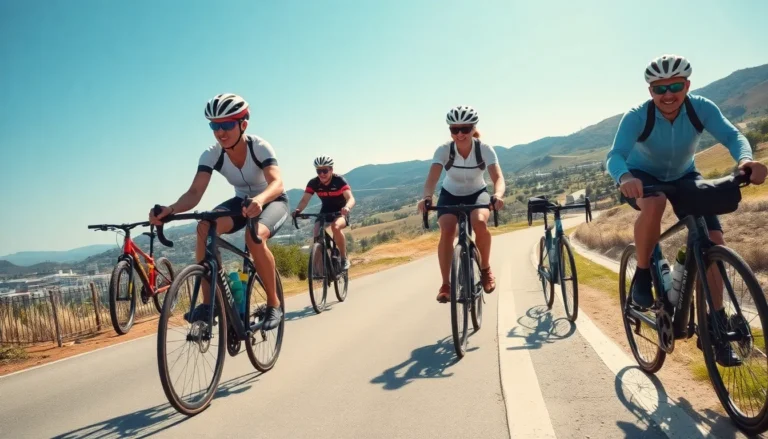
Road cycling takes place on paved surfaces like streets, highways, and bike paths. Riders use lightweight bikes with thin tires and drop handlebars. This setup allows for speed and efficiency over long distances.
Many cyclists choose road cycling for its cardiovascular benefits. A 150-pound person can burn around 500-600 calories per hour at a moderate pace. The sport also builds leg strength and improves endurance.
Road bikes typically feature multiple gears for handling hills and varying terrain. Popular cycling examples in this category include weekend group rides, charity events, and solo training sessions. Riders often join local cycling clubs to meet others who share their interest.
Gear matters in road cycling. Helmets are essential. Padded shorts reduce discomfort on longer rides. Clipless pedals connect shoes directly to the pedals, which improves power transfer.
Road cycling works well for those who enjoy speed and covering significant distances. It’s one of the most accessible cycling examples since paved roads exist almost everywhere.
Mountain Biking
Mountain biking happens on dirt trails, rocky paths, and forest roads. The bikes feature wide knobby tires, suspension systems, and sturdy frames. These components handle rough terrain that would damage a road bike.
There are several mountain biking styles. Cross-country riding covers varied terrain with climbs and descents. Downhill focuses on gravity-assisted runs down steep slopes. Trail riding sits between these two, offering a mix of technical sections and flowing paths.
Mountain biking builds core strength alongside leg power. Riders constantly adjust their balance and position. The sport also sharpens reaction time and decision-making skills.
Popular cycling examples in mountain biking include weekend trail rides at state parks, bike park sessions, and multi-day backcountry adventures. Many ski resorts now operate lift-served mountain bike parks during summer months.
Safety gear is important here. Full-face helmets protect against crashes on technical terrain. Knee pads and elbow guards prevent scrapes and injuries. Gloves improve grip and cushion hands from vibrations.
Mountain biking appeals to those who want adventure and a connection with nature. It provides a full-body workout while exploring trails that cars can’t reach.
Commuter and Urban Cycling
Commuter cycling replaces car trips with bike rides. People use it to travel to work, school, stores, and appointments. This practical form of cycling saves money and reduces carbon emissions.
Urban cyclists typically ride hybrid bikes, which combine features from road and mountain bikes. These bikes handle city streets, bike lanes, and occasional rough patches. Some commuters prefer folding bikes that fit on trains or under desks.
Cycling examples for commuters include daily work trips, errand runs, and school pickups. Many cities now offer bike-share programs that make urban cycling accessible without owning a bike.
Infrastructure improvements have made commuter cycling safer in many areas. Protected bike lanes separate cyclists from car traffic. Bike parking facilities at transit stations encourage multi-modal commuting.
Practical accessories help commuters. Panniers and baskets carry groceries and work bags. Fenders keep clothes clean on wet days. Lights and reflective gear increase visibility during early morning or evening rides.
Commuter cycling offers consistent exercise without dedicated gym time. A 20-minute bike commute each way provides 40 minutes of daily activity. Over time, this adds up to significant health benefits.
Recreational and Fitness Cycling
Recreational cycling focuses on enjoyment rather than competition or transportation. People ride bikes for fun, stress relief, and quality time with family and friends. The pace stays comfortable, and the routes often feature scenic views.
Fitness cycling adds structure to recreational rides. Riders set goals for distance, speed, or duration. They might follow training plans or track progress using smartphone apps and cycling computers.
Common cycling examples in this category include weekend rides on rail trails, family outings at local parks, and morning spins around the neighborhood. Many people start here before trying other cycling types.
The equipment for recreational cycling varies widely. Comfort bikes feature upright seating positions and cushioned saddles. Cruiser bikes work well for flat beach paths. Some riders use the same bike they had as teenagers.
Indoor cycling has grown in popularity. Stationary bikes and smart trainers let people ride regardless of weather. Apps like Zwift create virtual cycling environments where users ride with others worldwide.
Recreational and fitness cycling suit all ages and ability levels. A grandparent can ride alongside grandchildren. Someone recovering from injury can start slowly and build up. The low-impact nature of cycling makes it gentler on joints than running.
Competitive Cycling Disciplines
Competitive cycling includes multiple disciplines, each with its own rules and demands. Road racing features events from short criteriums to multi-stage tours like the Tour de France. Teams work together, with some riders supporting others toward victory.
Track cycling takes place in velodromes, oval tracks with banked curves. Events include sprints, pursuit races, and the madison (a team relay race). Track bikes have fixed gears and no brakes, requiring specific skills.
Cyclocross combines road cycling with off-road obstacles. Races happen on short circuits that force riders to dismount and carry their bikes over barriers. The season runs during fall and winter months.
BMX racing and freestyle represent cycling examples popular among younger athletes. Racing BMX involves sprinting around a track with jumps and berms. Freestyle BMX focuses on tricks performed on ramps, rails, and street obstacles.
Gravel racing has emerged as one of the fastest-growing cycling disciplines. Events cover unpaved roads for distances ranging from 50 to over 200 miles. The bikes blend features from road and mountain bikes.
Triathlon includes cycling as one of its three sports. Athletes swim, then bike, then run. The cycling portion tests both speed and energy management, since runners must save strength for the final leg.
Competitive cycling requires serious training and commitment. Even amateur racers dedicate hours weekly to preparation. But local races welcome beginners, and many cycling examples at this level focus on personal improvement rather than winning.