Best skateboarding starts with the right knowledge, gear, and practice. Whether someone is stepping on a board for the first time or looking to sharpen their skills, this guide covers everything they need to know. Skateboarding has grown from a California pastime into a global phenomenon, and an Olympic sport. The barriers to entry are low, but the ceiling for progression is virtually limitless. This article breaks down essential equipment, foundational tricks, prime locations to ride, and practical tips for getting better. By the end, readers will have a clear roadmap to improve their skateboarding and enjoy every session on the board.
Table of Contents
ToggleKey Takeaways
- The best skateboarding experience starts with choosing the right deck width, trucks, wheels, and bearings to match your skill level and skating style.
- Master foundational tricks like the ollie, kickturns, and manuals before progressing to advanced maneuvers for steady improvement.
- Skateparks offer the safest environment for beginners, while street spots and DIY locations challenge intermediate and advanced skaters.
- Consistent short practice sessions (even 15–30 minutes) build muscle memory faster than occasional long sessions.
- Filming yourself and skating with others accelerates progress by providing instant feedback and community motivation.
- Combine board time with cross-training exercises like squats and stretching to boost performance and prevent injuries.
Essential Gear for Every Skateboarder
Good gear makes a real difference in skateboarding performance and safety. Here’s what every skater needs to get started.
The Skateboard Itself
The best skateboarding experience begins with the right deck. Standard street decks measure between 7.5 and 8.5 inches wide. Beginners should choose a width that matches their shoe size, wider decks offer more stability, while narrower ones allow faster flips.
Trucks connect the wheels to the deck. They should match the deck width closely. Looser trucks turn sharper: tighter trucks feel more stable at speed. Most skaters adjust their trucks over time as they develop preferences.
Wheels come in different sizes and hardness ratings. Street skaters typically use smaller, harder wheels (50-54mm, 99a durometer). Cruisers and bowl riders prefer larger, softer wheels for smoother rides over rough surfaces.
Bearings determine how freely the wheels spin. ABEC ratings indicate precision, though many skaters find mid-range bearings (ABEC 5 or 7) work perfectly fine for most skating.
Safety Equipment
Helmets prevent serious head injuries. Period. A certified skate helmet fits snugly and sits level on the head. It’s non-negotiable for beginners and smart for everyone.
Knee pads and elbow pads protect joints during falls. Wrist guards reduce the risk of fractures when hands hit the ground. Some skaters skip pads once they’re comfortable falling, but they remain essential for vert skating and learning new tricks.
Footwear
Skate shoes feature flat soles with grippy rubber and reinforced areas that resist wear from grip tape. Canvas and suede uppers provide board feel while offering some durability. Regular sneakers wear out fast and don’t grip the board as well.
Fundamental Tricks to Learn First
Best skateboarding progression follows a logical sequence. Master these basics before attempting advanced maneuvers.
Pushing and Riding
Before any tricks, skaters need comfortable balance. Stand on the board with feet shoulder-width apart. Push with the back foot while keeping the front foot angled slightly forward. Practice riding in both regular (left foot forward) and goofy (right foot forward) stances to find what feels natural.
The Ollie
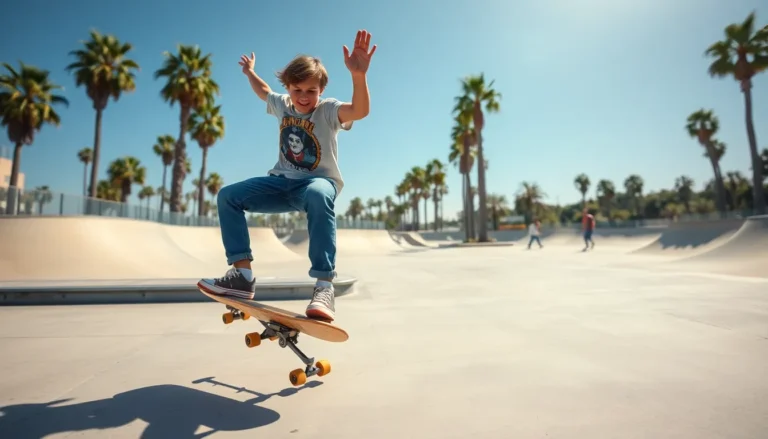
The ollie is the foundation of street skateboarding. It’s a jump where the board stays with the skater’s feet. To perform an ollie:
- Place the back foot on the tail and front foot in the middle of the deck
- Pop the tail down sharply while jumping
- Slide the front foot forward to level the board
- Land with both feet over the bolts
This trick takes time. Most beginners need weeks or months to ollie consistently.
Kickturns and Tic-Tacs
Kickturns involve lifting the front wheels and pivoting on the back wheels. They’re essential for changing direction and building balance. Tic-tacs string multiple small kickturns together to generate momentum without pushing.
Manual and Nose Manual
Manuals are wheelies on a skateboard. Balance on the back two wheels without letting the tail touch the ground. Nose manuals flip this, balance on the front two wheels. Both tricks build incredible board control.
Shuvits
A shuvit spins the board 180 degrees beneath the skater without flipping. Pop shuvits add height by incorporating tail pop. These tricks introduce board rotation and prepare skaters for kickflips.
Top Skateboarding Spots and Parks
Location matters for best skateboarding sessions. Different spots offer different challenges and vibes.
Skateparks
Purpose-built skateparks provide the safest, most consistent surfaces. They feature ramps, rails, ledges, and bowls designed specifically for skating. Most cities now have at least one public skatepark. These spaces bring skaters together and create community.
Some legendary parks include:
- Venice Beach Skatepark (California) – iconic beachside park with a deep bowl
- Burnside Skatepark (Portland, Oregon) – DIY legend built by skaters under a bridge
- Stoke Plaza (England) – one of Europe’s best street plazas
- SMP Skatepark (Shanghai, China) – one of the largest skateparks globally
Street Spots
Street skating uses urban architecture: stairs, handrails, ledges, gaps, and banks. Cities like Los Angeles, Barcelona, and Philadelphia are famous for their street spots. Street skating requires awareness of pedestrians and property rules. Many spots are technically off-limits, which creates a complicated relationship between skaters and city authorities.
DIY Spots
Skaters sometimes build their own obstacles in abandoned lots or under bridges. These DIY spots carry special significance in skate culture. They represent creativity, community effort, and the sport’s rebellious roots.
Choosing the Right Spot
Beginners should start at skateparks with smooth concrete and few obstacles. Intermediate skaters benefit from street plazas that mimic real-world terrain. Advanced skaters often seek out challenging street spots or large transition features.
Tips for Improving Your Skills
Best skateboarding happens through consistent, smart practice. Here’s how to progress faster.
Skate Regularly
Frequency beats duration. Three 30-minute sessions per week builds skills faster than one long weekend session. Muscle memory develops through repetition over time. Even 15 minutes of focused practice adds up.
Film Yourself
Video reveals what you can’t feel. Set up a phone and record attempts at new tricks. Watch the footage to spot technical errors. Compare your form to professional skaters doing the same tricks. This feedback loop accelerates improvement dramatically.
Learn to Fall
Falling is part of skateboarding. Experienced skaters know how to bail safely. Roll out of falls instead of catching yourself with stiff arms. Practice falling on grass before attempting risky tricks on concrete. Accepting falls reduces fear and increases commitment to tricks.
Skate with Others
Better skaters push you forward. Skating in groups provides motivation, tips, and friendly competition. Watch how others approach obstacles. Ask questions. The skateboarding community generally welcomes newcomers who show respect and enthusiasm.
Set Specific Goals
Vague goals produce vague results. Instead of “get better,” target “land 10 kickflips in a row” or “drop in on the 6-foot quarter pipe.” Specific goals create measurable progress and maintain motivation through plateaus.
Cross-Train
Strength and flexibility support skateboarding. Squats build leg power for bigger ollies. Core exercises improve balance. Stretching prevents injuries and extends sessions. Ankle strengthening reduces rolled ankles. Best skateboarding performance combines board time with physical conditioning.
Watch Skate Videos
Professional skate videos inspire and educate. Study how pros set up their tricks, position their bodies, and commit to difficult maneuvers. Classic videos and current releases both offer value. Visualization helps the brain prepare for physical execution.