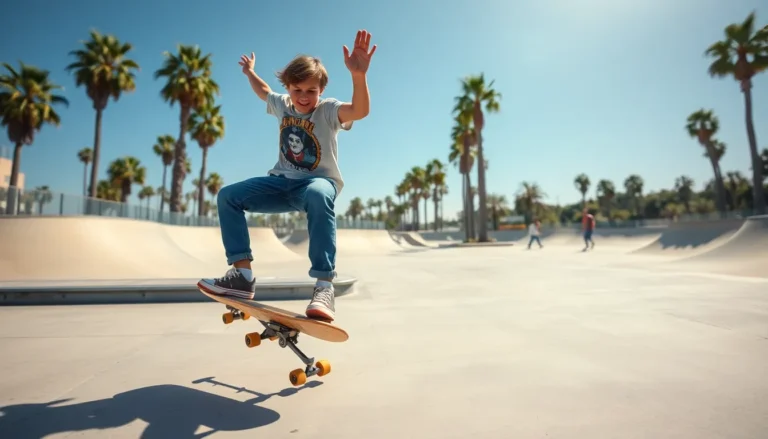
Skateboarding strategies separate casual riders from skilled skaters who can land tricks consistently. Whether someone just stepped on a board yesterday or has been skating for years, the right approach to learning makes all the difference. This guide covers practical techniques for building balance, learning new tricks, overcoming mental blocks, and creating effective practice routines. These skateboarding strategies work for beginners, intermediate riders, and advanced skaters looking to refine their skills.
Table of Contents
ToggleKey Takeaways
- Effective skateboarding strategies begin with mastering balance, stance, and basic riding before attempting tricks.
- Break complex tricks into smaller components and practice each part separately for faster skill development.
- Use progressive exposure to overcome fear by starting with smaller obstacles and gradually increasing difficulty.
- Film your practice sessions to identify technique mistakes that aren’t obvious in real-time.
- Set specific, measurable goals and balance focused trick practice (60%) with free skating (40%) for consistent improvement.
- Rest days are essential—take one or two per week to prevent burnout and allow your body to adapt.
Mastering the Fundamentals of Balance and Stance
Every successful skater builds their skills on a foundation of proper balance and stance. These fundamentals determine how well someone progresses with more advanced skateboarding strategies later.
Finding the Right Stance
Skaters ride in one of two positions: regular (left foot forward) or goofy (right foot forward). Neither stance is better than the other. The best way to find a natural stance is to have someone gently push from behind. Whichever foot steps forward first is typically the front foot on the board.
Foot placement matters more than most beginners realize. The front foot should sit just behind the front bolts, angled slightly toward the nose. The back foot rests on or near the tail. This position provides maximum control for pushing, turning, and setting up tricks.
Building Core Balance
Balance on a skateboard comes from the core, not the legs. Skaters should keep their shoulders aligned with the board and their weight centered. Bending the knees slightly lowers the center of gravity and increases stability.
A simple drill helps develop balance: stand on the board while stationary and shift weight from heel to toe repeatedly. This motion mimics turning and helps the body learn how the board responds to pressure changes.
Pushing and Riding Comfortably
Before attempting any tricks, skaters need to feel comfortable simply riding. Push with the back foot while the front foot stays planted near the front bolts. Keep the pushing foot close to the board rather than swinging it wide.
Spend time riding in parking lots, on smooth paths, or at the skatepark without trying anything fancy. This builds muscle memory and confidence. Many experienced skaters recommend at least 10-20 hours of basic riding before moving to tricks.
Progressive Learning Strategies for New Tricks
Learning tricks requires more than just watching videos and hoping for the best. Smart skateboarding strategies break complex movements into smaller, manageable steps.
Start With Foundation Tricks
The ollie is often called the gateway trick because it opens the door to almost everything else. But before the ollie, skaters should master these basics:
- Tic-tacs: Shifting weight to lift the front wheels and pivot side to side
- Kickturns: Lifting the front wheels while stationary and rotating the board
- Manuals: Balancing on just the back wheels while rolling
These movements teach board control without the added challenge of getting airborne.
Break Tricks Into Components
Every trick consists of several distinct motions. Take the kickflip as an example. It combines an ollie pop, a flicking motion with the front foot, and a catch with both feet. Instead of attempting the full trick immediately, practice each piece separately.
Start by getting comfortable with the ollie. Then practice the flicking motion while holding onto a fence or rail for support. Finally, combine the movements once each feels natural on its own.
Use Grass and Carpet Training
Practicing on grass or carpet keeps the board from rolling away during failed attempts. This approach lets skaters focus entirely on foot positioning and motion without worrying about balance. It’s one of the most effective skateboarding strategies for learning flip tricks.
Film Everything
Recording practice sessions reveals mistakes that aren’t obvious in the moment. Watch footage in slow motion to see exactly where the technique breaks down. Compare personal footage to tutorials featuring professional skaters performing the same trick.
Mental Approaches to Overcoming Fear and Building Confidence
Fear holds back more skaters than lack of physical ability. The mental side of skateboarding strategies often determines who progresses and who stays stuck.
Understand That Fear Is Normal
Every skater experiences fear, including professionals. The difference is how they respond to it. Fear signals that the brain perceives risk, which is actually useful information. The goal isn’t eliminating fear but learning to work with it.
Use Progressive Exposure
Instead of forcing a scary trick, build up to it gradually. If dropping in on a half-pipe feels too intimidating, start with smaller transitions. Work up in size slowly. Each successful attempt builds confidence for the next challenge.
The same principle applies to gaps, rails, and stairs. Try the smallest version first. Land it consistently. Then move to something slightly bigger.
Visualize Success
Mental rehearsal actually works. Before attempting a trick, close the eyes and picture every detail: the approach, the pop, the landing. Athletes in many sports use visualization, and skateboarding is no different.
Spend a few minutes visualizing before each session. See the trick working perfectly. Feel the board under the feet. This primes the brain and body to execute the movement.
Accept Falls as Part of the Process
Falling is guaranteed in skateboarding. Learning to fall safely reduces both injury and fear. Practice tucking and rolling rather than catching with outstretched hands. Wear protective gear without shame, many pros wear helmets and pads during practice.
Training and Practice Strategies for Consistent Improvement
Talent matters less than consistent, focused practice. The best skateboarding strategies include structured training routines that maximize every session.
Set Specific Goals
Vague goals like “get better” don’t drive improvement. Specific goals do. Examples include:
- Land five ollies in a row without stepping off
- Learn kickturns on both sides by the end of the month
- Drop in on the mini ramp three times this week
Write goals down and track progress. This creates accountability and shows improvement over time.
Warm Up Properly
Cold muscles and joints increase injury risk. Start each session with 5-10 minutes of light riding and stretching. Cruise around, practice pushing, and do some basic tricks before attempting anything challenging.
Practice With Purpose
Mindless repetition builds bad habits. Focus on specific aspects of technique during each attempt. If working on kickflips, pay attention to exactly where the front foot makes contact with the board. Adjust deliberately based on what happened in the previous attempt.
Balance Trick Practice With Free Skating
Drilling tricks matters, but so does flowing around the park or street without a strict agenda. Free skating builds overall comfort on the board and often leads to discovering new tricks naturally.
Aim for roughly 60% focused practice and 40% free skating. This ratio keeps sessions productive while maintaining the fun that drew most people to skateboarding in the first place.
Rest and Recovery
Skating too many days in a row leads to burnout and overuse injuries. Take at least one or two rest days per week. Sleep enough. Eat well. The body adapts and improves during rest, not just during activity.