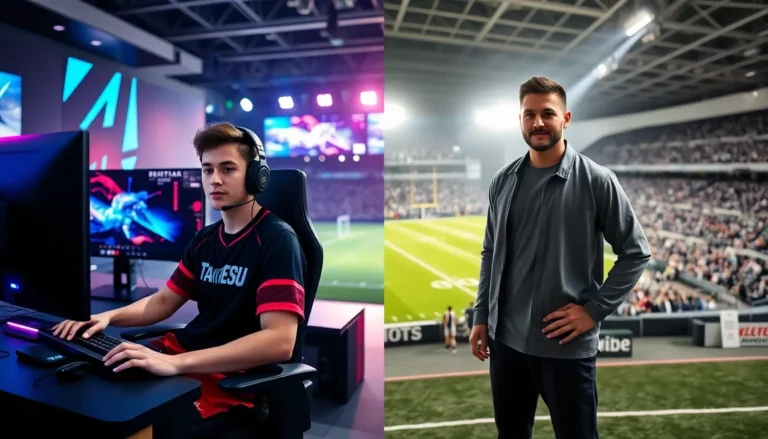
Esports has transformed from basement LAN parties into a billion-dollar global phenomenon. Professional gamers now compete in sold-out arenas, millions watch live streams daily, and top players earn salaries that rival traditional athletes. The esports industry continues to grow at a staggering pace, global revenues exceeded $1.8 billion in 2024, and viewership numbers keep climbing year after year.
But what exactly makes competitive gaming so compelling? Why do sponsors pour millions into teams and tournaments? And how can someone actually break into this space, whether as a player or a fan? This guide covers everything from the origins of esports to its current business landscape, plus practical tips for anyone looking to jump in.
Table of Contents
ToggleKey Takeaways
- Esports has grown into a $1.8 billion global industry with over 500 million viewers worldwide.
- Major esports titles span multiple genres, including tactical shooters like Counter-Strike 2, MOBAs like League of Legends, and battle royales like Fortnite.
- Revenue in esports comes from sponsorships, media rights, merchandise, ticket sales, and in-game purchases.
- Career opportunities in esports extend beyond playing to include coaching, broadcasting, event production, and content creation.
- New viewers can start by watching tournaments on Twitch or YouTube and joining community spaces on Discord or Reddit.
- Aspiring players should focus on one game, study pro players, and gain experience through ranked modes and amateur tournaments.
What Is Esports and How Did It Become So Popular
Esports refers to organized, competitive video gaming where players or teams compete against each other for prizes, recognition, and glory. These competitions range from local tournaments to massive international championships with prize pools exceeding $40 million.
The roots of esports trace back to the 1970s and 1980s. The first known video game competition took place at Stanford University in 1972, where students competed in Spacewar. for a magazine subscription. Arcade games like Space Invaders and Pac-Man sparked leaderboard battles throughout the 1980s, creating early competitive gaming culture.
The real breakthrough came in the late 1990s and early 2000s. Games like StarCraft, Counter-Strike, and Quake built dedicated competitive communities. South Korea became an esports powerhouse during this period, with professional StarCraft leagues drawing massive television audiences.
Several factors drove esports into the mainstream:
- Internet infrastructure improvements made online multiplayer gaming accessible worldwide
- Streaming platforms like Twitch (launched 2011) gave fans direct access to matches and personalities
- Free-to-play games lowered barriers to entry for new players
- Social media helped build communities around teams and players
The COVID-19 pandemic accelerated growth even further. While traditional sports shut down, esports tournaments continued online. New audiences discovered competitive gaming, and many stayed.
Today, esports attracts over 500 million viewers globally. Major tournaments fill stadiums, and the industry has gained recognition from mainstream media outlets, universities, and even the International Olympic Committee.
Major Esports Titles and Competitive Scenes
Different esports games attract different audiences and competitive structures. Here’s a breakdown of the major categories and titles:
First-Person Shooters (FPS)
Counter-Strike 2 (formerly CS:GO) remains the gold standard for tactical shooters. Its competitive scene spans decades, with teams from Europe and Brazil dominating major tournaments. Valorant, released by Riot Games in 2020, has quickly built a thriving esports ecosystem with franchised leagues.
Call of Duty maintains a strong console-focused competitive scene, while Overwatch 2 offers team-based hero shooter competition.
Multiplayer Online Battle Arenas (MOBAs)
League of Legends hosts the largest esports events by viewership. The annual World Championship regularly draws over 100 million viewers. Dota 2 features some of the biggest prize pools in esports history, The International 2021 offered over $40 million.
Battle Royales
Fortnite brought esports to younger audiences and casual viewers. Epic Games has invested heavily in its competitive scene. PUBG and Apex Legends also maintain active tournament circuits.
Fighting Games
The Fighting Game Community (FGC) has a unique grassroots culture. Games like Street Fighter 6, Tekken 8, and Super Smash Bros. draw passionate crowds at events like EVO, the largest fighting game tournament.
Sports and Racing Simulations
FIFA (now EA Sports FC) and NBA 2K bridge traditional sports and esports audiences. Racing titles like Gran Turismo and iRacing have attracted real-world motorsport teams.
Each esports title has its own competitive calendar, major organizations, and star players. Fans often follow multiple games or dedicate themselves entirely to one scene.
The Business of Esports: Revenue, Sponsorships, and Careers
Esports has evolved into a legitimate industry with multiple revenue streams and career paths.
Revenue Sources
The esports economy draws money from several channels:
- Sponsorships and advertising account for the largest share of revenue. Brands like Red Bull, Intel, and Mercedes-Benz sponsor teams and events.
- Media rights deals bring esports to traditional broadcasters and streaming platforms.
- Merchandise sales generate income for teams and tournament organizers.
- Ticket sales for live events contribute significantly for major tournaments.
- In-game purchases often fund prize pools through battle passes and cosmetic items.
Team Organizations
Major esports organizations operate like traditional sports franchises. Teams like Team Liquid, Cloud9, and Fnatic field rosters across multiple games. They employ coaches, analysts, content creators, and support staff alongside players.
Top esports athletes earn six-figure salaries, with some reaching seven figures through streaming revenue and personal sponsorships. But, the industry is top-heavy, most professional players earn modest incomes, and career spans tend to be short.
Career Opportunities
Esports offers careers beyond playing:
- Coaching and analysis help teams develop strategies
- Broadcasting and commentary bring matches to life for viewers
- Event production manages tournaments and live shows
- Marketing and management build brands and handle business operations
- Content creation entertains audiences between matches
The esports job market continues to expand as the industry matures. Universities now offer esports management degrees, and traditional sports organizations have entered the space.
How to Get Started Watching or Playing Esports
Getting into esports is easier than ever, whether as a spectator or competitor.
For Viewers
Start by picking a game that interests you. Watch a few matches on Twitch or YouTube to learn the basics. Most esports broadcasts include commentary that explains what’s happening.
Follow major tournaments to see the best competition:
- League of Legends Worlds (October-November)
- The International for Dota 2 (varies annually)
- CS2 Majors (twice per year)
- Valorant Champions Tour events
Join community spaces on Reddit, Discord, or Twitter to discuss matches and learn about storylines. Understanding team rivalries and player personalities makes viewing more engaging.
For Players
Choose one game and commit to learning it deeply. Most esports titles have built-in ranked modes that match players by skill level.
Improvement tips:
- Watch pro players stream and study their decision-making
- Review your own gameplay to identify mistakes
- Practice fundamentals before focusing on advanced techniques
- Find a consistent team or group to play with
Local tournaments and online amateur leagues provide early competitive experience. Sites like FACEIT, ESEA, and game-specific platforms host competitions for all skill levels.
Don’t expect to go pro immediately, or at all. Most people who enjoy esports never compete professionally, and that’s perfectly fine. The competitive ladder offers plenty of satisfaction at every level.