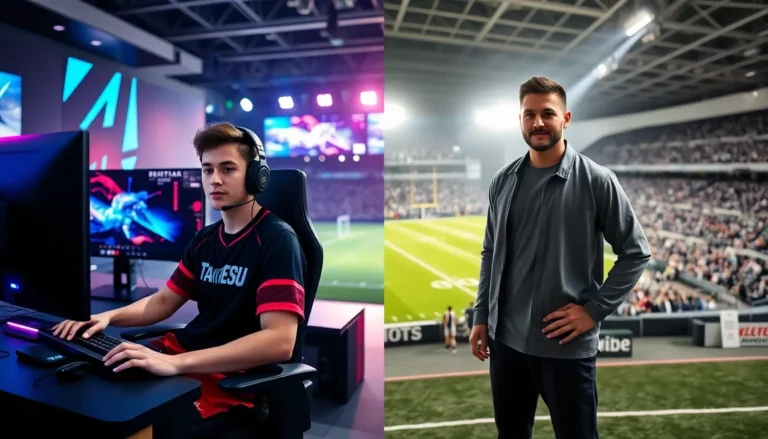
Competitive gaming has grown from basement LAN parties into a billion-dollar global industry. This esports guide covers the essential information players, fans, and aspiring professionals need to understand the scene. From the origins of competitive gaming to career opportunities, the following sections break down what makes esports one of the fastest-growing entertainment sectors today. Whether someone wants to compete, spectate, or work in the industry, this guide provides the foundation to get started.
Table of Contents
ToggleKey Takeaways
- Esports has evolved from informal 1970s competitions into a billion-dollar global industry with professional leagues, massive prize pools, and millions of viewers.
- This esports guide covers major game genres including FPS (Counter-Strike 2, Valorant), MOBAs (League of Legends, Dota 2), battle royales, fighting games, and sports simulations.
- Aspiring players should focus on one game, master fundamentals, study professional play, and compete in amateur tournaments to build experience.
- Career opportunities in esports extend beyond playing—including coaching, content creation, broadcast talent, event production, and team operations.
- Building connections through gaming communities, Discord servers, and volunteering at events is essential for breaking into the esports industry.
What Is Esports and How Did It Start
Esports refers to organized competitive video gaming where players or teams compete for prizes, recognition, and rankings. These competitions follow structured formats with rules, referees, and professional production. Major events fill arenas and stream to millions of viewers worldwide.
The history of esports traces back to the 1970s. The first known video game competition took place at Stanford University in 1972, where students competed in Spacewar for a Rolling Stone magazine subscription. The 1980s brought arcade tournaments, with games like Space Invaders drawing thousands of participants.
The real shift happened in the late 1990s. Games like Quake, StarCraft, and Counter-Strike created dedicated competitive communities. South Korea led the charge, broadcasting StarCraft matches on television and establishing the first professional gaming leagues. Players became celebrities, and companies began sponsoring teams.
By the 2010s, esports exploded globally. Streaming platforms like Twitch made watching competitive gaming accessible to anyone with an internet connection. Prize pools grew dramatically, The International, Dota 2’s premier tournament, has awarded over $40 million in a single event. Today, esports generates billions in revenue through sponsorships, media rights, merchandise, and ticket sales.
This esports guide recognizes that understanding the industry’s roots helps explain its current structure. What started as informal competitions has become a legitimate professional sport with leagues, franchises, and global audiences.
Popular Esports Games and Genres
The esports landscape spans multiple game genres, each with distinct competitive formats and fan bases. Here are the major categories driving competitive gaming today.
First-Person Shooters (FPS)
FPS games dominate esports viewership. Counter-Strike 2 remains the gold standard, with teams competing in tactical 5v5 matches. Valorant has quickly become a major competitor since its 2020 release, combining precise gunplay with character abilities. Call of Duty maintains a strong console presence through the Call of Duty League.
Multiplayer Online Battle Arenas (MOBAs)
MOBAs feature two teams battling to destroy each other’s base. League of Legends holds the largest esports audience globally, with its World Championship regularly exceeding 100 million viewers. Dota 2 offers the biggest prize pools in esports history. Both games require deep strategic knowledge and team coordination.
Battle Royale
Battle royale games drop large player counts into shrinking maps. Fortnite pioneered mainstream battle royale esports with massive prize pools. PUBG and Apex Legends also run professional circuits. These games test survival instincts, positioning, and adaptability.
Fighting Games
The Fighting Game Community (FGC) has its own distinct culture. Street Fighter, Tekken, and Super Smash Bros. headline major events like EVO. Fighting games emphasize individual skill, reaction time, and mind games between two players.
Sports and Racing Simulations
Traditional sports have entered esports through games like FIFA (EA Sports FC), NBA 2K, and racing simulators. Formula 1 runs an official esports series, and many professional sports teams field gaming rosters.
This esports guide notes that game popularity shifts over time. New titles emerge, and established games update constantly to maintain competitive interest.
How to Get Started in Esports
Breaking into esports requires dedication, practice, and the right approach. This section of the esports guide outlines practical steps for aspiring competitors.
Pick One Game
Focus matters more than variety. Choose a game that genuinely interests you, since improvement demands hundreds of hours of practice. Consider the competitive scene’s size, available opportunities, and whether the game suits your playstyle.
Master the Fundamentals
Every esports title has core mechanics that separate average players from competitive ones. In FPS games, that means aim training and map knowledge. MOBAs require understanding item builds, character matchups, and macro strategy. Spend time in practice modes before jumping into ranked play.
Study Professional Play
Watch tournament broadcasts and pro player streams. Pay attention to positioning, decision-making, and communication. Many professionals explain their thought processes while streaming, offering free coaching essentially.
Find a Community
Join Discord servers, subreddits, and forums dedicated to your game. These communities share tips, organize practice matches, and help players find teammates. Connections matter in esports, many opportunities come through networking.
Compete in Amateur Events
Online tournaments provide experience against serious competition. Platforms like FACEIT, ESEA, and game-specific ladders host regular events. Even small local tournaments build stage experience and confidence.
Build Your Brand
Stream your practice sessions or create content around your game. A social media presence helps attract team attention and sponsorship opportunities. Document your improvement journey.
The esports guide emphasizes that most professional players practiced for years before going pro. Patience and consistent effort beat raw talent alone.
Major Esports Tournaments and Leagues
The esports calendar features dozens of major competitions across different games. These events define the competitive year and crown world champions.
The International (Dota 2)
Valve’s annual Dota 2 championship holds the record for largest esports prize pools. The 2021 edition awarded over $40 million. Teams qualify through the Dota Pro Circuit, a year-long series of regional leagues and majors.
League of Legends World Championship
Riot Games’ flagship event draws the biggest audiences in esports. The tournament features teams from regional leagues across Asia, Europe, North America, and other territories. Production quality rivals traditional sports broadcasts.
Counter-Strike Majors
Valve sponsors two CS2 Majors each year, offering $1.25 million prize pools. These tournaments carry prestige beyond their prize money, winning a Major defines careers. The community also supports third-party organizers like ESL, BLAST, and PGL who run additional premier events.
Valorant Champions Tour
Riot’s Valorant competitive structure includes regional leagues and international events. Champions, the year-end tournament, brings together the best teams globally. The franchised format mirrors traditional sports leagues.
EVO (Evolution Championship Series)
The fighting game community’s biggest gathering features multiple titles under one roof. EVO celebrates grassroots competition while attracting top players worldwide.
Overwatch League and Call of Duty League
Activision Blizzard operates franchised leagues with city-based teams. These leagues attempted to replicate traditional sports structures with home/away matches and territorial rights.
This esports guide recommends following tournament schedules through sites like Liquipedia, which tracks results and upcoming events across all major games.
Career Paths in the Esports Industry
Esports offers career opportunities beyond playing professionally. The industry employs thousands of people in various roles.
Professional Player
The most visible career path, though also the most competitive. Pro players earn through team salaries, tournament winnings, streaming revenue, and personal sponsorships. Careers often peak in a player’s mid-20s, though this varies by game.
Coach and Analyst
Teams hire coaches to develop strategies, review gameplay, and manage player development. Analysts study opponents and compile data to give their teams advantages. Former players often transition into these roles.
Content Creator and Streamer
Building an audience around gaming content can be more sustainable than competing. Successful creators earn through platform revenue, sponsorships, and merchandise. Many combine entertainment with educational content.
Broadcast Talent
Casters, analysts, and hosts bring esports events to life. These roles require game knowledge, communication skills, and on-camera presence. Starting with smaller events builds experience for larger opportunities.
Event Production
Tournaments need producers, directors, camera operators, and technical staff. Live event experience from traditional entertainment translates well to esports production.
Team Operations
Organizations employ managers, marketing professionals, social media coordinators, and business development staff. These positions support players and grow the team’s brand.
Game Development
Publishers hire esports specialists to manage competitive ecosystems, design spectator features, and balance games for high-level play.
This esports guide highlights that industry connections often matter as much as qualifications. Volunteering at events and building relationships opens doors.