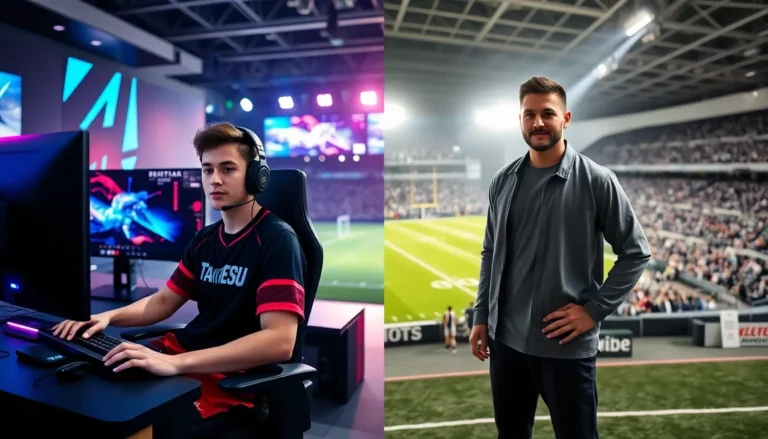
Learning how to esports starts with understanding that competitive gaming has become a legitimate career path and hobby for millions worldwide. The esports industry generated over $1.8 billion in revenue in 2024, and professional players now compete for multi-million dollar prize pools. Whether someone wants to go pro or simply enjoy competitive play, the path forward requires strategy, dedication, and the right approach. This guide breaks down everything beginners need to know about entering the esports scene.
Table of Contents
ToggleKey Takeaways
- Learning how to esports requires treating competitive gaming as a discipline with structured practice, not casual entertainment.
- Choose one game that matches your personality and commit to mastering it—depth beats breadth in esports development.
- Build a consistent practice routine of 4-6 hours daily, splitting time between mechanical drills, ranked matches, and VOD review.
- Join tournaments early through platforms like Battlefy or FACEIT to gain competitive experience, even if you lose.
- The esports industry offers diverse career paths beyond pro player, including coaching, content creation, casting, and team operations.
- Community involvement and online presence are essential—teams scout players through reputation and engagement, not just raw skill.
Understanding What Esports Is
Esports refers to organized, competitive video gaming. Players compete individually or in teams across various game genres. Major esports titles include League of Legends, Counter-Strike 2, Valorant, Dota 2, and Fortnite.
The esports ecosystem includes professional leagues, amateur tournaments, streaming platforms, and content creation. Professional esports organizations sign players to contracts, provide salaries, and sponsor their training. Major tournaments fill stadiums with tens of thousands of fans.
Unlike casual gaming, esports demands serious commitment. Professional players practice 8-12 hours daily. They study opponents, refine strategies, and maintain peak mental focus. The skill gap between casual and competitive play is significant.
Anyone interested in how to esports should first understand this distinction. Competitive gaming rewards mechanical skill, game knowledge, teamwork, and mental resilience. Success requires treating gaming as a discipline rather than just entertainment.
Choosing the Right Game for You
Game selection matters significantly for anyone learning how to esports. Different games suit different personalities, skill sets, and time commitments.
First-Person Shooters (FPS): Games like Valorant and Counter-Strike 2 reward aim precision, quick reflexes, and tactical thinking. These titles have active competitive scenes and clear ranking systems.
MOBAs: League of Legends and Dota 2 require strategic thinking, team coordination, and deep game knowledge. Matches last longer, and the learning curve is steep.
Fighting Games: Titles like Street Fighter 6 and Tekken 8 emphasize one-on-one competition. They require mastering complex inputs and reading opponents.
Battle Royales: Fortnite and Apex Legends combine shooting skills with survival strategy. These games offer large prize pools and accessible entry points.
Consider these factors when choosing:
- Personal enjoyment: Long practice hours require genuine interest in the game
- Scene activity: Some games have larger competitive communities and more opportunities
- Time investment: MOBAs typically require more hours to reach competitive levels
- Regional popularity: Certain games thrive in specific regions
Picking one game and focusing on it produces better results than spreading attention across multiple titles. Mastery requires depth, not breadth.
Building Your Skills and Practice Routine
Structured practice separates aspiring esports players from casual gamers. Random gameplay hours won’t cut it. Effective improvement requires intentional training.
Establish a Practice Schedule
Create a consistent daily routine. Most aspiring competitors practice 4-6 hours minimum. Split time between:
- Mechanical drills (aim training, combo practice, last-hitting)
- Ranked matches for competitive experience
- VOD review to analyze mistakes
- Studying professional play
Focus on Fundamentals
Every esports title has core skills that matter most. In shooters, crosshair placement and positioning often beat raw aim. In MOBAs, map awareness and farming efficiency create advantages. Master basics before chasing flashy plays.
Track Progress
Record gameplay and review it honestly. Note recurring mistakes. Track rank progression over weeks and months. Data reveals patterns that feel invisible in the moment.
Maintain Physical and Mental Health
Professional esports athletes take care of their bodies. Sleep affects reaction time and decision-making. Hand stretches prevent repetitive strain injuries. Mental breaks prevent burnout.
Learning how to esports successfully means treating practice like athletic training. Consistency, self-critique, and rest all matter.
Joining the Competitive Community
Skill alone doesn’t create esports success. Community involvement opens doors to teams, tournaments, and growth opportunities.
Find Your First Tournaments
Start with free online tournaments on platforms like Battlefy, FACEIT, or game-specific community leagues. These events provide competitive experience without stakes pressure. Losing early tournaments is normal and valuable.
Connect With Other Players
Join Discord servers dedicated to the chosen game. Engage genuinely with community members. Finding practice partners and potential teammates happens through these connections.
For team-based games, building relationships matters enormously. Teams scout players through community reputation as much as raw skill. Being coachable, communicative, and reliable attracts opportunities.
Build an Online Presence
Streaming on Twitch or creating content on YouTube can supplement competitive play. Some players gain recognition through content before tournament results. An active social media presence helps players get noticed by organizations.
Consider Coaching
Experienced coaches accelerate improvement. They identify blind spots players can’t see themselves. Many former professionals offer coaching services at accessible rates.
The esports community rewards those who show up consistently. Regular tournament participation, active community engagement, and visible improvement attract attention from teams and sponsors.
Exploring Career Paths in Esports
Professional player represents just one career option in esports. The industry offers diverse opportunities for those passionate about competitive gaming.
Professional Player
The most visible path. Pro players earn through salaries, tournament winnings, sponsorships, and streaming. Competition is fierce, only a small percentage reach this level. Most professional careers last 5-10 years due to reaction time decline and burnout.
Coach or Analyst
Teams hire coaches to develop strategies and manage player development. Analysts study opponents and provide data-driven insights. Deep game knowledge matters more than mechanical skill for these roles.
Content Creator
Streamers and YouTubers build audiences around esports content. Successful creators earn through subscriptions, donations, sponsorships, and merchandise. This path offers more longevity than playing.
Caster or Host
Broadcast talent commentates matches and hosts events. Strong communication skills and game knowledge open these doors. Many casters started in amateur community broadcasts.
Team Operations
Esports organizations need managers, marketing staff, event coordinators, and business developers. Traditional business skills apply directly to these roles.
Understanding how to esports extends beyond playing. The industry needs professionals across every function. Passion for competitive gaming combined with transferable skills creates multiple entry points.