Top cycling experiences start with the right knowledge, gear, and mindset. Whether someone just bought their first bike or has been riding for decades, there’s always something new to learn. Cycling continues to grow in popularity across the United States, with millions of riders hitting roads, trails, and velodrome tracks each year. This guide covers essential gear recommendations, popular cycling disciplines, training strategies, and safety practices. Riders at every skill level will find actionable advice to improve their time on two wheels.
Table of Contents
ToggleKey Takeaways
- Top cycling experiences require the right gear, including a properly fitted bike, MIPS-equipped helmet, and padded shorts for comfort and safety.
- Explore different cycling disciplines like road, mountain, gravel, or track cycling to find what suits your riding style and goals.
- Follow the 80/20 training rule—spend 80% of your rides at easy intensities and 20% at high intensities for optimal performance gains.
- Boost visibility and safety by using daytime running lights, which reduce collision risk by up to 33%.
- Combine cycling with off-bike strength training, focusing on squats, lunges, and core exercises to build complete fitness.
- Maintain your bike regularly by checking tire pressure before rides and having a professional inspection at least once a year.
Essential Cycling Gear for Beginners and Pros
The right cycling gear makes a significant difference in comfort, performance, and safety. Beginners should start with a few key items, while experienced riders can upgrade to specialized equipment.
The Bike Itself
Choosing the correct bike matters most. Road bikes work best for pavement and speed. Mountain bikes handle off-road trails. Hybrid bikes offer versatility for casual riders who want both options. Gravel bikes have gained popularity for their ability to handle mixed terrain.
Helmets and Protection
A quality helmet is non-negotiable. Look for helmets with MIPS technology, which reduces rotational forces during impact. Top cycling helmets from brands like Giro, POC, and Bell offer excellent protection without sacrificing ventilation.
Clothing and Accessories
Padded cycling shorts reduce saddle discomfort on longer rides. Moisture-wicking jerseys keep riders cool and dry. Cycling gloves protect hands and improve grip. Clipless pedals and cycling shoes increase pedaling efficiency by 10-15% compared to flat pedals.
Tools and Maintenance Items
Every cyclist needs a basic repair kit. This includes a spare tube, tire levers, a mini pump, and a multi-tool. Experienced riders often carry CO2 cartridges for faster inflation. A chain lubricant and cleaning supplies keep the drivetrain running smoothly between rides.
Popular Cycling Disciplines to Explore
Cycling offers many different disciplines, each with its own appeal and challenges.
Road Cycling
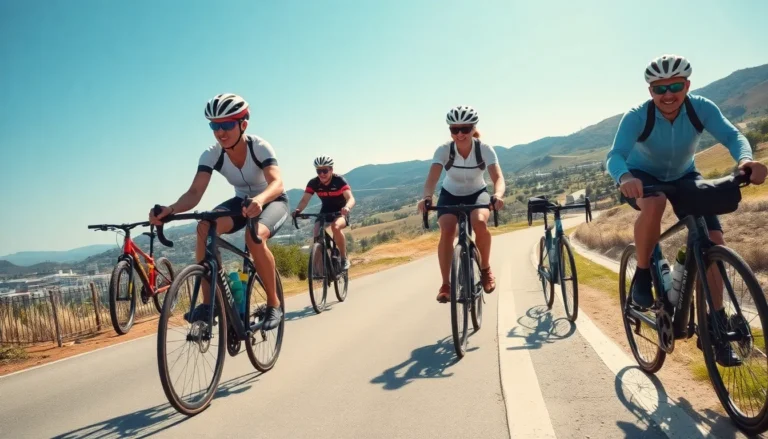
Road cycling remains the most popular discipline worldwide. Riders cover long distances on paved surfaces, often in groups. This discipline emphasizes endurance, aerodynamics, and sustained power output. Top cycling events like the Tour de France showcase road cycling at its highest level.
Mountain Biking
Mountain biking takes riders off-road through forests, hills, and rocky terrain. Cross-country (XC) riding focuses on climbing and endurance. Downhill and enduro disciplines prioritize technical skill and speed on descents. Trail riding offers a balance between the two.
Gravel Cycling
Gravel cycling has exploded in popularity since 2018. This discipline combines elements of road and mountain biking. Riders tackle unpaved roads, fire trails, and mixed surfaces. Events like Unbound Gravel attract thousands of participants annually.
Track Cycling
Track cycling takes place on velodromes, oval tracks with banked curves. Events include sprints, pursuits, and points races. Fixed-gear bikes without brakes require specific skills and training.
Bikepacking and Touring
Bikepacking combines cycling with camping. Riders carry gear in specialized bags attached to their bikes. Tours can last from a weekend to several months. This discipline emphasizes self-sufficiency and adventure over speed.
Training Tips to Improve Your Cycling Performance
Consistent training produces better results than occasional hard efforts. These strategies help cyclists at all levels improve their performance.
Build a Training Plan
Structured training works better than random rides. Most plans include three types of workouts: endurance rides, interval sessions, and recovery days. Top cycling coaches recommend spending 80% of training time at easy intensities and 20% at high intensities.
Focus on Cadence
Cadence refers to pedaling speed, measured in revolutions per minute (RPM). Most efficient cyclists maintain a cadence between 80-100 RPM. Lower cadences stress muscles more, while higher cadences tax the cardiovascular system. Practice spinning at various cadences to find what works best.
Strength Training Off the Bike
Cycling alone doesn’t build complete fitness. Squats, lunges, and deadlifts strengthen the legs and core. Planks and other core exercises improve stability on the bike. Two strength sessions per week benefit most cyclists.
Monitor Progress with Data
Power meters measure actual effort output in watts. Heart rate monitors track cardiovascular stress. GPS devices record speed, distance, and elevation. Apps like Strava and TrainingPeaks help riders analyze their performance over time.
Nutrition and Hydration
Proper fueling supports training adaptations. Cyclists should consume carbohydrates before and during longer rides. Protein after rides helps muscle recovery. Staying hydrated prevents performance drops, aim for one water bottle per hour in moderate conditions.
Safety Practices Every Cyclist Should Follow
Top cycling safety habits prevent accidents and injuries. Every rider should follow these guidelines.
Visibility Matters
Bright clothing makes cyclists visible to drivers. Front and rear lights are essential, even during daytime rides. Reflective elements on clothing and bikes increase visibility in low-light conditions. Studies show that daytime running lights reduce collision risk by up to 33%.
Follow Traffic Laws
Cyclists must obey the same traffic laws as motor vehicles. This includes stopping at red lights and stop signs, signaling turns, and riding in the correct direction. Predictable behavior keeps everyone safer on the road.
Ride Defensively
Assume drivers don’t see you. Maintain distance from parked cars to avoid door strikes. Make eye contact with drivers at intersections when possible. Avoid riding in blind spots of trucks and buses.
Group Riding Etiquette
Group rides require communication and trust. Call out hazards like potholes, debris, and turning vehicles. Maintain a steady pace without sudden braking. Keep handlebars even with other riders rather than overlapping wheels.
Regular Bike Maintenance
A well-maintained bike is a safe bike. Check tire pressure before each ride. Inspect brakes weekly for proper function. Keep the chain clean and lubricated. Have a professional mechanic inspect the bike at least once per year.