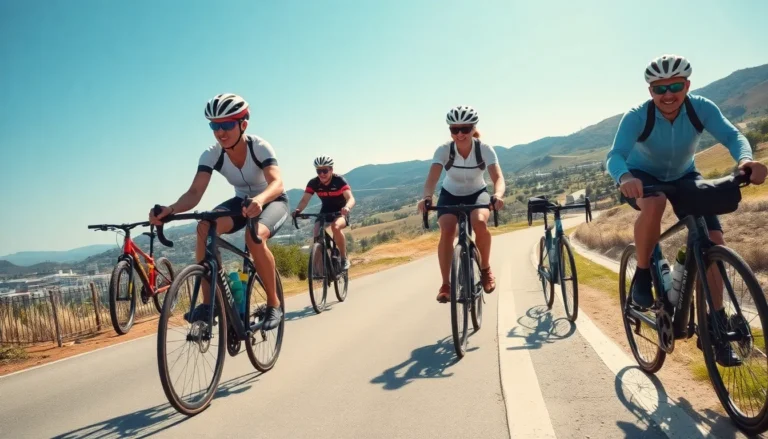
Cycling is one of the most accessible and rewarding physical activities in the world. Whether someone rides a bike to work, competes in races, or explores mountain trails on weekends, cycling offers something for everyone. This guide explains what cycling is, covers its many forms, and provides practical advice for beginners ready to start pedaling. From health benefits to essential gear, readers will find everything they need to understand this popular activity.
Table of Contents
ToggleKey Takeaways
- Cycling is the act of riding a bicycle for transportation, recreation, or competition, making it one of the most versatile physical activities available.
- Different types of cycling include road cycling, mountain biking, BMX, commuter cycling, and track cycling—each offering unique experiences and benefits.
- Regular cycling improves cardiovascular health, builds lower body strength, aids weight management, and boosts mental well-being.
- Essential beginner gear includes a properly fitted bike, a certified helmet, lights for visibility, and a basic repair kit for roadside fixes.
- New cyclists should start with short 15-30 minute rides on flat terrain and gradually increase distance as endurance builds.
- Joining a local cycling group provides motivation, safety, and valuable learning opportunities from experienced riders.
Understanding Cycling as a Sport and Mode of Transportation
Cycling refers to the act of riding a bicycle for transportation, recreation, or competition. At its core, cycling involves a rider powering a two-wheeled vehicle through pedaling. This simple concept has grown into a global phenomenon with millions of participants.
As a mode of transportation, cycling provides an efficient way to travel short and medium distances. Many urban commuters choose cycling over driving because it saves money, reduces carbon emissions, and avoids traffic jams. Cities around the world have invested in bike lanes and cycling infrastructure to encourage this trend.
As a sport, cycling takes many competitive forms. Professional cyclists compete in road races, track events, and mountain bike competitions. The Tour de France, one of the most famous cycling events, attracts viewers from every continent. Olympic cycling events showcase both speed and endurance across multiple disciplines.
Cycling also serves as a popular recreational activity. Families ride together on weekend trails. Fitness enthusiasts use cycling to stay in shape. Some people simply enjoy the freedom of exploring new areas on two wheels. This versatility makes cycling appealing to people of all ages and fitness levels.
Different Types of Cycling
Cycling includes several distinct disciplines. Each type offers unique experiences and requires different skills and equipment.
Road Cycling
Road cycling takes place on paved surfaces. Riders use lightweight bikes with thin tires and drop handlebars. This type of cycling emphasizes speed and endurance over long distances. Many road cyclists participate in group rides or races.
Mountain Biking
Mountain biking happens on off-road trails and rough terrain. These bikes feature sturdy frames, wide knobby tires, and suspension systems. Riders tackle hills, rocks, and forest paths. Mountain biking appeals to those who enjoy adventure and technical challenges.
BMX
BMX stands for Bicycle Motocross. Riders perform tricks and race on small, durable bikes. BMX tracks feature jumps and banked turns. This type of cycling attracts younger riders and those interested in freestyle stunts.
Commuter Cycling
Commuter cycling focuses on practical transportation. Riders use hybrid bikes or city bikes designed for comfort and reliability. Features like fenders, racks, and lights make commuting easier. Many people choose commuter cycling to reduce their environmental impact.
Track Cycling
Track cycling occurs on oval velodromes with banked curves. Riders use fixed-gear bikes without brakes. Events include sprints, pursuit races, and team competitions. Track cycling demands explosive power and tactical awareness.
Health Benefits of Cycling
Cycling delivers significant health benefits for both body and mind. Regular cyclists often experience improvements across multiple areas of wellness.
Cardiovascular health improves with consistent cycling. The activity strengthens the heart muscle and increases lung capacity. Studies show that people who cycle regularly have a lower risk of heart disease. Even moderate cycling sessions, around 30 minutes, provide measurable cardiovascular benefits.
Cycling builds muscle strength, particularly in the lower body. Quadriceps, hamstrings, and calf muscles all work during pedaling. Core muscles engage to maintain balance and posture. Unlike high-impact exercises, cycling places minimal stress on joints, making it suitable for people with knee or hip concerns.
Weight management becomes easier with cycling. A 150-pound person burns approximately 400 to 600 calories per hour of moderate cycling. This calorie expenditure, combined with the activity’s accessibility, makes cycling an effective tool for maintaining a healthy weight.
Mental health benefits are equally important. Cycling reduces stress and anxiety through the release of endorphins. Outdoor rides provide exposure to fresh air and nature. Many cyclists report improved mood and better sleep quality after establishing a regular cycling routine.
Cycling also supports longevity. Research indicates that regular cyclists may add years to their lifespan compared to sedentary individuals.
Essential Gear and Equipment for Beginners
Starting with the right equipment makes cycling safer and more enjoyable. Beginners don’t need to spend a fortune, but a few essential items are worth the investment.
The Bicycle
Choosing the right bike matters most. Beginners should select a bike that matches their intended use. Road bikes work for pavement riding. Mountain bikes suit trail adventures. Hybrid bikes offer versatility for mixed surfaces. Proper sizing ensures comfort and prevents injury.
Safety Equipment
A helmet is non-negotiable. It protects against head injuries in case of falls or collisions. Look for helmets certified by safety organizations. They should fit snugly without wobbling.
Lights and reflectors increase visibility during low-light conditions. Front white lights and rear red lights help other road users see cyclists. Many areas legally require lights for night riding.
Clothing and Accessories
Padded cycling shorts reduce discomfort on longer rides. Moisture-wicking shirts keep riders dry. Gloves protect hands and improve grip. Sunglasses shield eyes from wind, debris, and sun glare.
A basic repair kit proves invaluable. Spare tubes, tire levers, and a portable pump allow riders to fix flat tires on the road. A multi-tool handles minor adjustments and repairs.
Hydration and Nutrition
Water bottles and bottle cages attach to the bike frame. Staying hydrated prevents fatigue and cramping. For longer rides, energy bars or gels provide necessary fuel.
How to Get Started With Cycling
Beginning a cycling practice requires a few practical steps. Anyone can start, regardless of current fitness level.
First, get the bike properly fitted. Many bike shops offer free fitting services. Correct saddle height and handlebar position prevent strain and discomfort. A well-fitted bike makes riding more efficient and enjoyable.
Start with short rides. New cyclists should aim for 15 to 30 minutes on flat terrain. This approach builds endurance without overwhelming the body. Gradually increase distance and intensity over weeks.
Learn basic cycling skills. Practice shifting gears smoothly. Master braking techniques for different conditions. Understand hand signals for communicating with motorists and other cyclists.
Find safe routes. Beginners benefit from dedicated bike paths and low-traffic roads. Apps and local cycling maps help identify beginner-friendly routes. Parks and recreational trails offer controlled environments for building confidence.
Consider joining a cycling group. Local clubs welcome riders of all abilities. Group rides provide motivation, safety in numbers, and opportunities to learn from experienced cyclists. Many communities organize beginner-friendly events.
Set realistic goals. Whether aiming to commute to work twice weekly or complete a 50-mile ride within six months, goals provide direction. Tracking progress through apps or journals keeps motivation high.
Rest and recovery matter. Muscles need time to adapt to new demands. Alternating cycling days with rest days prevents burnout and reduces injury risk.